
Professional teeth whitening in Chișinău – how long the results last, whether it is safe for enamel, and when you should choose whitening at the dentist
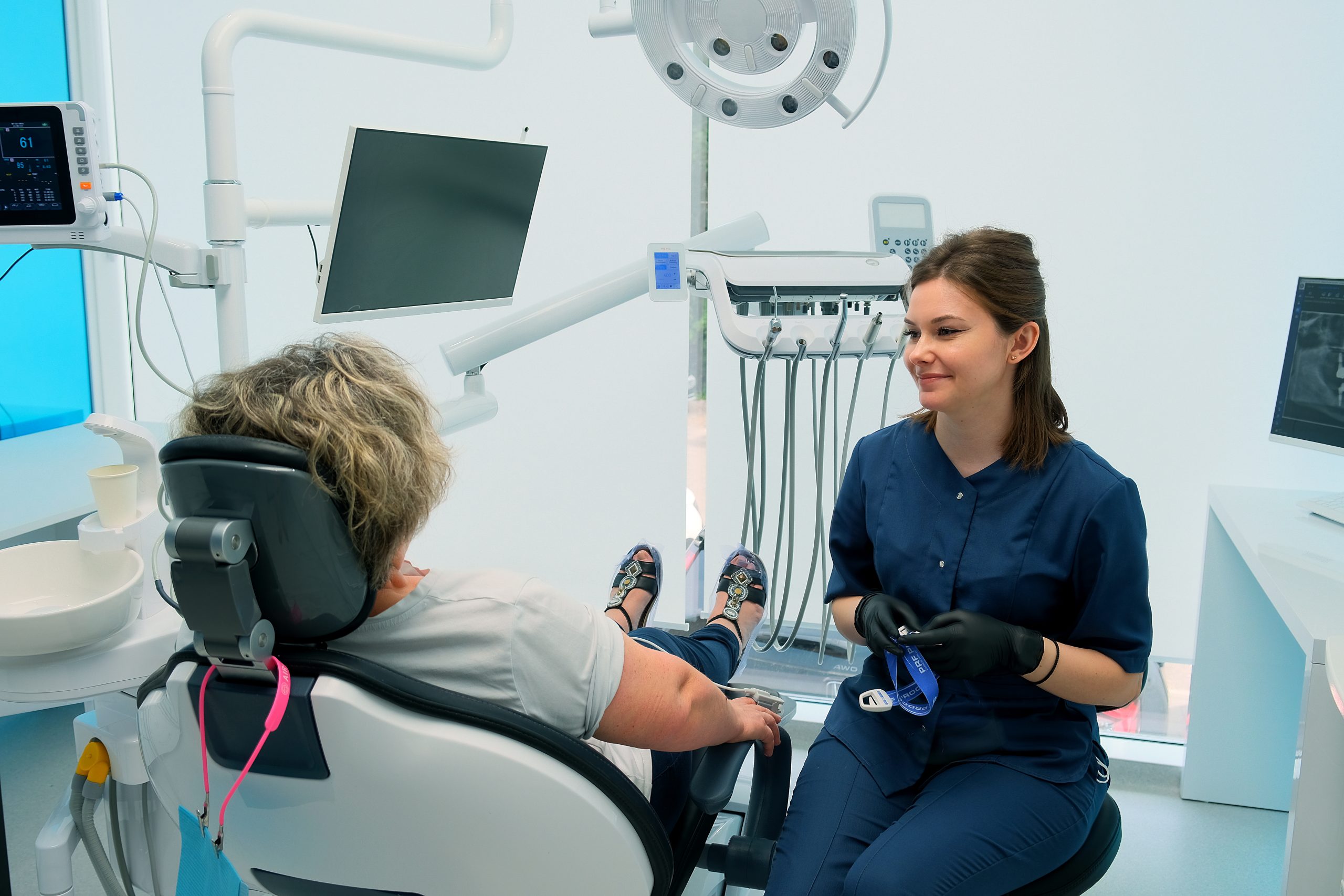
A whiter smile is one of the most common aesthetic goals among dental patients, and professional teeth whitening has become one of the most popular cosmetic dentistry treatments.
Coffee, tea, certain foods, smoking, and the natural aging process can gradually change the color of your teeth. Even with excellent oral hygiene, teeth may lose some of their original brightness over time.
For patients in Chișinău who want a brighter smile, professional teeth whitening can provide noticeable results in a relatively short time. However, before undergoing treatment, it is important to understand how whitening works, what results you can realistically expect, and whether the procedure is suitable for you.
How does professional teeth whitening work?
Professional whitening uses specially formulated agents that penetrate the tooth structure and break down the pigments responsible for discoloration.
Unlike professional dental cleaning, which removes plaque, tartar, and certain surface stains, teeth whitening is designed to change the actual shade of natural teeth.
Depending on the whitening system and the individual patient, treatment may be performed in the dental office or through a personalized at-home protocol recommended and supervised by a dentist.
Are professional teeth cleaning and whitening the same thing?
No. This is a common misconception.
Professional cleaning and scaling remove deposits and external stains from the surfaces of the teeth. After cleaning, teeth may appear cleaner and even slightly brighter because surface discoloration has been removed.
Teeth whitening, however, is specifically designed to lighten the natural shade of the teeth.
In many cases, your dentist may recommend professional cleaning before starting a whitening treatment.
Does teeth whitening damage enamel?
When performed correctly, following a dental evaluation and using products specifically designed for professional whitening, the procedure is generally considered safe for suitable patients.
However, whitening should not be performed without first assessing the health of the teeth and gums.
Untreated cavities, cracks, significant tooth sensitivity, or certain gum conditions should be identified before whitening begins.
Can teeth become sensitive after whitening?
Some patients may experience temporary tooth sensitivity after the procedure, particularly when consuming cold foods or drinks.
The intensity varies from person to person and is generally temporary.
If you already have sensitive teeth, your dentist can adjust the whitening protocol and recommend products to help reduce discomfort.
How many shades whiter can your teeth become?
The result varies from one patient to another.
Your original tooth color, type of discoloration, age, and enamel structure can all influence how well your teeth respond to whitening.
For this reason, the goal of professional whitening should not necessarily be to achieve an artificially bright white shade. A natural, brighter color that complements the patient’s smile and facial features is often a better aesthetic result.
How long do teeth whitening results last?
Teeth whitening is not permanent.
The results can remain visible for a long time, but their duration depends significantly on your habits.
Discoloration may return more quickly with frequent consumption of:
- coffee
- tea
- red wine
- strongly pigmented beverages
- tobacco products
Good oral hygiene and regular professional dental cleanings can also help maintain the result for longer.
Do crowns, fillings, and veneers become whiter?
No.
Whitening agents work on natural teeth but do not change the color of dental crowns, veneers, or existing fillings in the same way.
This is particularly important when restorations are present in the visible smile area.
If you have visible dental restorations, your dentist should consider their shade when planning the whitening treatment to avoid noticeable color differences.
Teeth whitening or dental veneers?
These treatments have different purposes.
Professional whitening may be enough if you are happy with the shape and position of your teeth and mainly want to improve their color.
Dental veneers may be considered when you want to change not only the shade but also the shape, size, proportions, or certain aesthetic imperfections of your teeth.
For some patients in Chișinău, professional whitening can therefore be a sensible first step before considering more extensive cosmetic dental treatments.
Who should not have teeth whitening without a dental evaluation?
A professional consultation is particularly important if you have:
- untreated cavities
- significant tooth sensitivity
- gum inflammation
- cracks or damaged teeth
- multiple restorations in the front teeth
Your dentist can determine whether whitening is appropriate or whether other dental problems should be treated first.
Why is a dental consultation important before whitening?
Tooth discoloration is not always purely an aesthetic issue.
Changes in tooth color can have different causes, and some types of discoloration may require solutions other than conventional whitening.
A dental examination helps identify the cause, select the appropriate treatment, and establish realistic expectations before the procedure begins.
Conclusion
Professional teeth whitening can be a simple and effective way to achieve a brighter smile without changing the natural shape of your teeth.
For patients in Chișinău, choosing a whitening treatment after a professional dental evaluation is important both for safety and for achieving a natural, even result.
When the teeth and gums are healthy and whitening is properly indicated, professional treatment can noticeably improve the appearance of the smile without the need for more extensive cosmetic or restorative procedures.