
Aesthetics
Aesthetic treatment planning: health and function first
New article for medical team review before publication.

Planning a change to your smile starts with understanding what matters to you and checking the health of your teeth and gums. A useful aesthetic plan connects appearance with function, explains alternatives and leaves room to decide that no treatment is the right choice.
In short
- Describe the features you want to change and those you want to preserve.
- Decay, gum disease and functional problems need assessment before cosmetic decisions.
- Compare conservative options, limitations and future maintenance, not just appearance.
- Photographs and simulations support discussion but cannot guarantee a result.
Begin with your own goals
Tooth colour, shape, position and how much gum shows are different concerns. They do not automatically need the same intervention, and several concerns do not necessarily require several procedures. Explain what bothers you in everyday life: a particular tooth, a change in shade or an uneven edge. Also say what you like and would prefer to keep.
Reference photographs can make a conversation easier, but another person's smile is not a clinical prescription. Teeth, gums, facial features and the bite differ between people. Natural variation is not automatically a defect. Choosing not to change a healthy smile is a legitimate option, even when a procedure is technically possible.
Make your priorities clear
Discuss whether your main concern is appearance, comfort, cleaning or a combination. Mention previous treatment, sensitivity, clenching and any difficulty chewing. These details can change which options are reasonable. Ask what a proposed procedure would address and what would remain unchanged, rather than assuming one treatment can solve every concern.
Check health and function first
An assessment considers decay, gum inflammation, periodontal support, existing fillings or crowns and the way the teeth meet. X-rays or other records may be recommended when clinically indicated, not simply because aesthetic treatment is being discussed. The necessary assessment depends on your history and the findings.
Bleeding gums, persistent pain or loose teeth need diagnosis rather than cosmetic concealment. If oral health is unstable, care and reassessment may come before final decisions about shade or shape. Treating inflammation can change the appearance of the gums, so rushing to a final design may be unhelpful.
The bite also matters. Tooth contacts, wear and habits that overload teeth may affect the suitability and maintenance of restorations. A change that looks appealing in a photograph still needs to work when speaking, chewing and cleaning. Planning should not treat appearance as separate from these daily functions.
Practical tip: bring a short list with three headings: “What I want to change”, “What I want to preserve” and “What I need to understand”. This helps keep the consultation focused on your priorities rather than on a predetermined procedure.
Compare options and their sequence
Depending on the findings, choices may include no intervention, professional cleaning, whitening, orthodontics or restorations. Each has a different purpose. Cleaning can remove some surface deposits, but it does not reposition teeth. Whitening changes the shade of natural teeth but does not whiten existing fillings, crowns or veneers in the same way.
Orthodontics may address tooth position, while composite additions or other restorations may address selected shape problems. Suitability depends on the individual situation. Veneers and crowns may involve removing tooth tissue; where preparation is required, this is not something that simply grows back. Ask whether a less invasive approach could meet your goals.
- What problem does each option address, and what are its limits?
- How much tooth tissue would need to be removed?
- What are the relevant risks, including sensitivity or future repair?
- What maintenance, review or replacement could be needed?
- What happens if you choose to wait or have no treatment?
Sequence can matter. Tooth position may influence later restorative work, and a decision about whitening may affect the shade chosen for visible restorations. Ask for a staged plan explaining the reasons for the order and where reassessment is needed. More procedures do not necessarily produce a better or more suitable result.
Allow time for informed decisions
Models, photographs and simulations are communication tools, not guarantees. They can help you discuss proportions or preferences, but cannot reproduce every aspect of biology, healing, lighting or long-term wear. Ask which parts of a preview are illustrative and what uncertainties remain.
Before agreeing, request an explanation of expected benefits, relevant risks, alternatives and future care. Discuss how cleaning around restorations will work and what symptoms should prompt review. Existing restorations may need maintenance or replacement over time; a cosmetic change does not remove the need for regular oral care.
You should have space to ask questions, think or seek another opinion without pressure. If findings change during assessment or treatment, the plan may need revision and renewed discussion. Consent is an ongoing conversation, not simply a signature on a proposed design.
Frequently asked questions
Do I need veneers for a more even smile?
Not necessarily. The cause of the uneven appearance and your oral health determine which options are suitable. Ask about no treatment and less invasive alternatives before deciding.
Should whitening happen before new visible restorations?
Sometimes the sequence matters because restorations do not whiten like natural teeth. Discuss timing and shade selection individually rather than changing existing dental work automatically.
Can a simulation show the exact final result?
No. It helps communicate an idea, but is not a promise. Ask about practical limitations and how the proposed changes will be assessed for comfort and function.
Related service
Aesthetic treatment planning: health and function first
Medical sources
This information is educational and does not replace a consultation. Treatment is planned individually.
The information on this website is educational and does not replace a consultation with a dentist. A treatment plan can only be made after an individual clinical examination.
Visit bluClinic
Contact us by phone, WhatsApp or e-mail to arrange a consultation.
Related services

Recommended reading
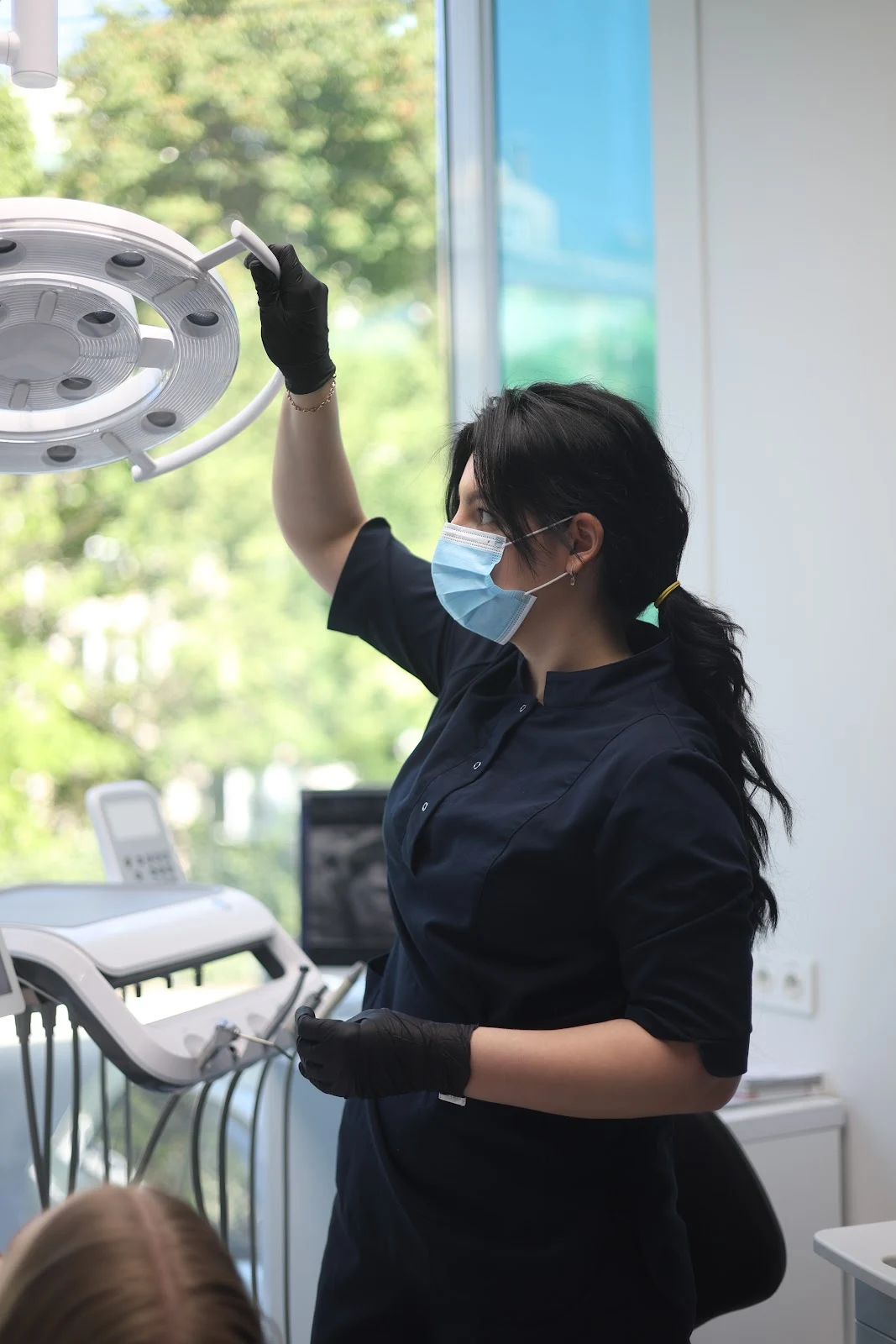
Whitening when you have crowns or fillings
Natural teeth and restorations respond differently to whitening, so treatment order matters for shade matching.
bluClinic editorial team · Date: 24 October 2026 · 4 min read
Before veneers: considering tooth-preserving alternatives
Veneers are not the only aesthetic option. Enamel removal, when required, is irreversible.
bluClinic editorial team · Date: 20 October 2026 · 5 min read
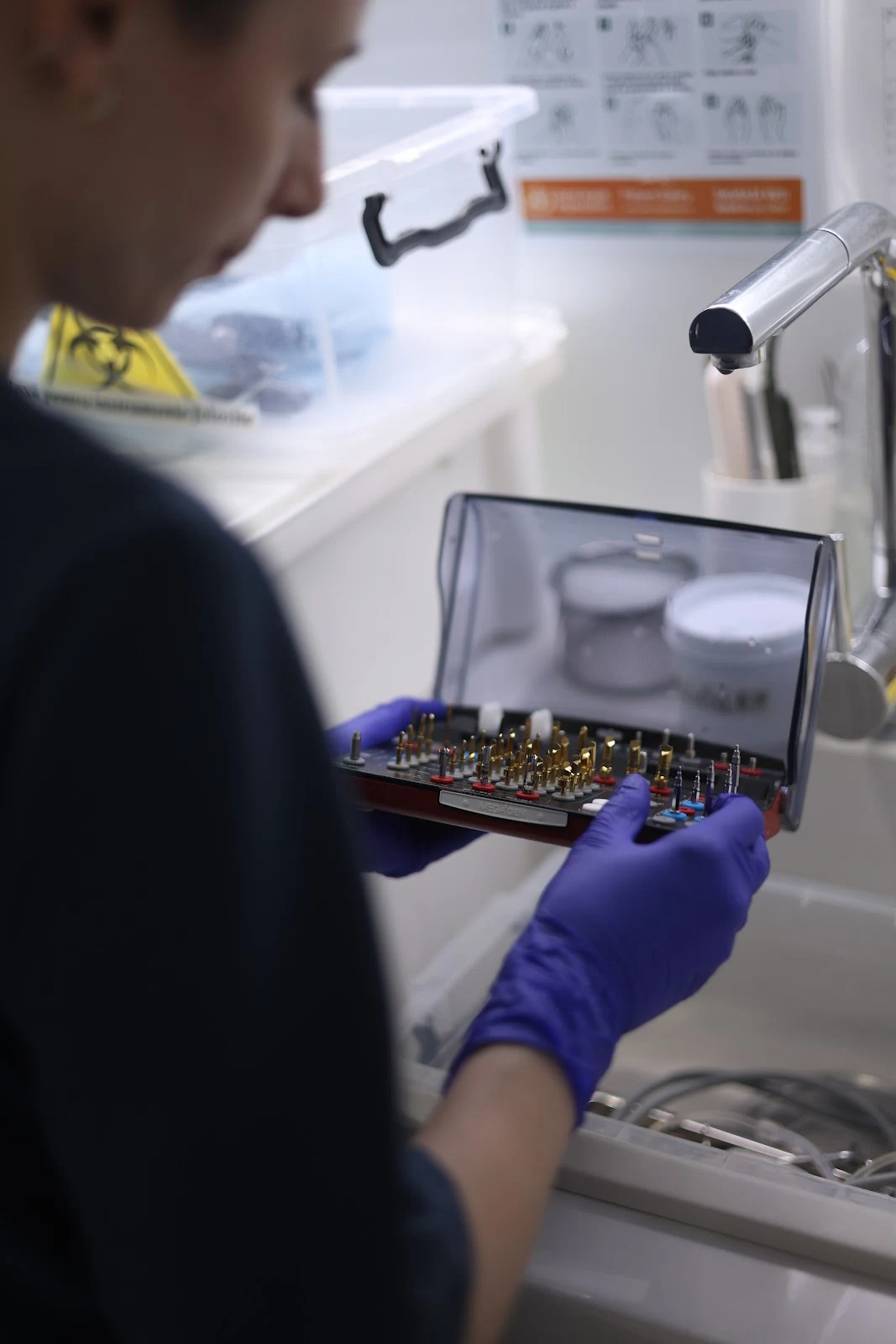
Cleaning or whitening: understanding the difference
Cleaning removes deposits; whitening changes the shade of natural teeth. Oral health should guide the decision.
bluClinic editorial team · Date: 25 August 2026 · 2 min read