
Emergencies
Dental abscess: warning signs and urgent action
New article for medical team review before publication.
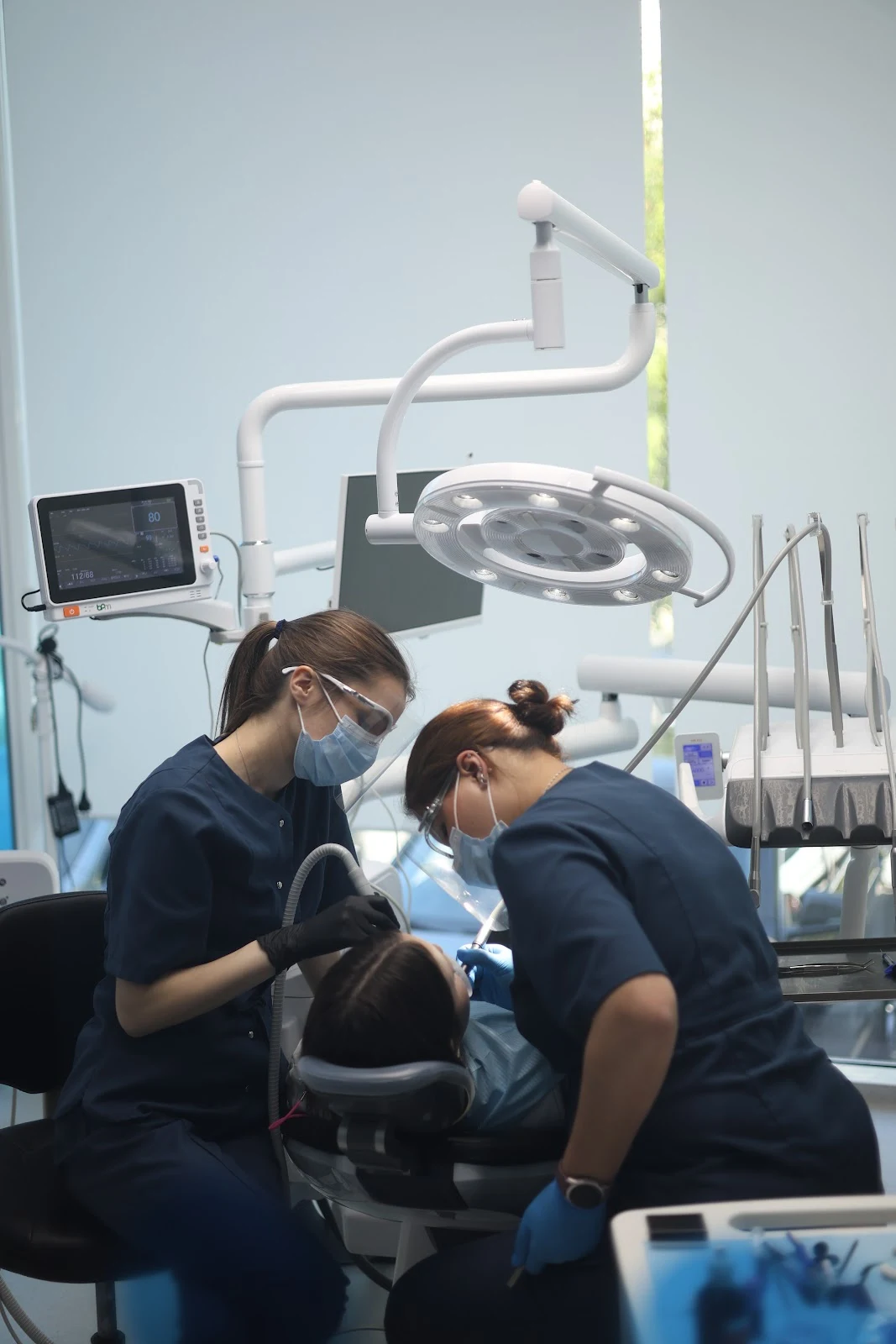
A dental abscess is a collection of pus caused by an infection in or around a tooth or in the gum. It needs urgent dental assessment: home measures may ease symptoms temporarily, but they do not remove the source of infection.
In short
- Contact a dental service urgently if you suspect an abscess, even when the pain is manageable.
- Difficulty breathing, swallowing or speaking requires immediate emergency help.
- Do not squeeze the swelling, pierce it or use leftover antibiotics.
- Less pain after drainage does not prove that the infection has cleared.
Recognise a possible abscess
Possible symptoms include intense toothache or gum pain, swelling, tenderness when biting, an unpleasant taste and fever. The face or jaw may swell, and chewing or opening the mouth may become difficult. Not everyone has every symptom, and the amount of pain does not reliably show how serious the problem is.
An infection can develop when bacteria reach the inside of a tooth, for example through decay or damage, or when infection affects the tissues around a tooth. Different causes need different treatment. A photograph, a home inspection or the colour of a bump cannot reliably establish the diagnosis.
What to say when requesting help
Explain when the problem started, where the swelling is and whether it is increasing. Mention fever, difficulty opening the mouth, any trouble swallowing and whether you feel generally unwell. Give details of medicines, allergies and relevant conditions, including immune suppression or diabetes. These details help the service assess urgency; they do not replace an examination.
Do not wait for a routine check-up or for pain to become unbearable. Ask for urgent dental assessment. If your usual service is unavailable, seek another urgent dental service rather than relying only on repeated pain relief.
Know when to call 112 in Moldova
Call 112 immediately for difficulty breathing, swallowing or speaking, especially with swelling inside the mouth or around the neck. Major or rapidly increasing swelling, swelling affecting the eye or changes in vision also need immediate emergency assessment.
Do not wait to see whether a painkiller or an antibiotic will work when these signs are present. Tell the operator that a dental infection is suspected and describe what is happening, including how quickly the swelling has changed. Follow the operator's instructions and do not drive yourself if you are seriously unwell.
Fever, facial swelling or increasing difficulty opening the mouth should be reported promptly when arranging urgent care. If symptoms worsen while you are waiting, contact the service again; a booking made earlier does not mean it remains safe to wait through new warning signs.
People whose immune defences are reduced may need particular attention. Tell the service about relevant treatment or illness rather than waiting for a high temperature to appear. The absence of fever does not rule out a significant infection.
Use temporary measures safely
While arranging assessment, choose soft foods and avoid very hot or cold items if they worsen symptoms. Chew on the other side if that is comfortable. Continue gentle cleaning with a soft toothbrush rather than scrubbing the painful area or abandoning oral hygiene completely.
Ask a pharmacist about pain relief that is suitable for your age, health conditions and other medicines. Follow the product instructions and do not exceed the recommended dose. Some preparations contain the same active ingredient, so combining products without checking can lead to accidental overdose. Advice for an adult should not automatically be applied to a child.
- Do not pierce, squeeze or try to drain the swelling yourself.
- Do not put aspirin directly against the tooth or gum; it can damage tissue.
- Do not use someone else's antibiotics or leftovers from an earlier illness.
- Do not delay assessment because a home measure has briefly reduced the pain.
Practical tip: note when symptoms began, whether swelling is spreading and what medicine you have taken, including the dose and time. Keep this information and your allergy list ready for the urgent appointment.
Treat the source and attend follow-up
The dentist examines the affected area and may recommend an X-ray when clinically indicated. Treatment aims to address the source and allow drainage where needed. Depending on the findings, this may involve root canal treatment, care of the gum tissues or extraction if retaining the tooth is not appropriate.
Antibiotics are not needed in every case and do not replace suitable local treatment. They may be prescribed when infection is spreading, there are systemic symptoms or other clinical circumstances justify them. The decision depends on assessment, not simply on how strongly you request a prescription.
If antibiotics are prescribed, take them exactly as directed and ask what to do if side effects occur. Attend the recommended review and complete the planned dental treatment. If an abscess opens by itself, pressure and pain may lessen while the source remains. Increasing swelling, new fever or worsening general health requires urgent reassessment.
Frequently asked questions
Can an abscess heal on its own?
Do not rely on this. Spontaneous drainage can relieve pressure without resolving the underlying problem. Dental assessment is still necessary even if the swelling becomes smaller.
Does every abscess mean losing the tooth?
No. Whether a tooth can be retained depends on its condition, the supporting tissues and the extent of the problem. The examination helps clarify suitable options.
Should I wait until an antibiotic course ends before seeking care?
No. Arrange the dental care advised and report deterioration promptly. Emergency warning signs require immediate help, even if you have already started prescribed medication.
Related service
Dental abscess: warning signs and urgent action
Medical sources
This information is educational and does not replace a consultation. Treatment is planned individually.
The information on this website is educational and does not replace a consultation with a dentist. A treatment plan can only be made after an individual clinical examination.
Visit bluClinic
Contact us by phone, WhatsApp or e-mail to arrange a consultation.
Related services
Recommended reading
Monitoring a wisdom tooth without symptoms
Being pain-free does not replace assessment, but a wisdom tooth without disease is not automatically removed.
bluClinic editorial team · Date: 14 September 2026 · 2 min read
Chipped or Broken Tooth in Chișinău – what to do immediately, how to save your tooth, and when it becomes a real dental emergency
A chipped or broken tooth is one of the most common dental emergencies and can happen unexpectedly — while eating, during sports, or after an accident. In these situations, acting quickly can make the difference between saving and losing the tooth. Many patients in Chișinău are unsure what to do in
Dr. Vadim Guțu · 7 April 2026 · 2 min read

Why Do Teeth Hurt When You Eat or Drink Something Hot or Cold? Causes and Solutions
Tooth sensitivity to hot or cold is one of the most common dental problems patients experience. Whether it happens when drinking cold water, eating ice cream, or having hot beverages, this reaction should not be ignored. Many patients in Chișinău think it is “normal,” but in reality, it can be a sig
Dr. Cristian Odajiu · 18 March 2026 · 2 min read