
Care & prevention
Adult orthodontics: what an initial assessment involves
New article for medical team review before publication.
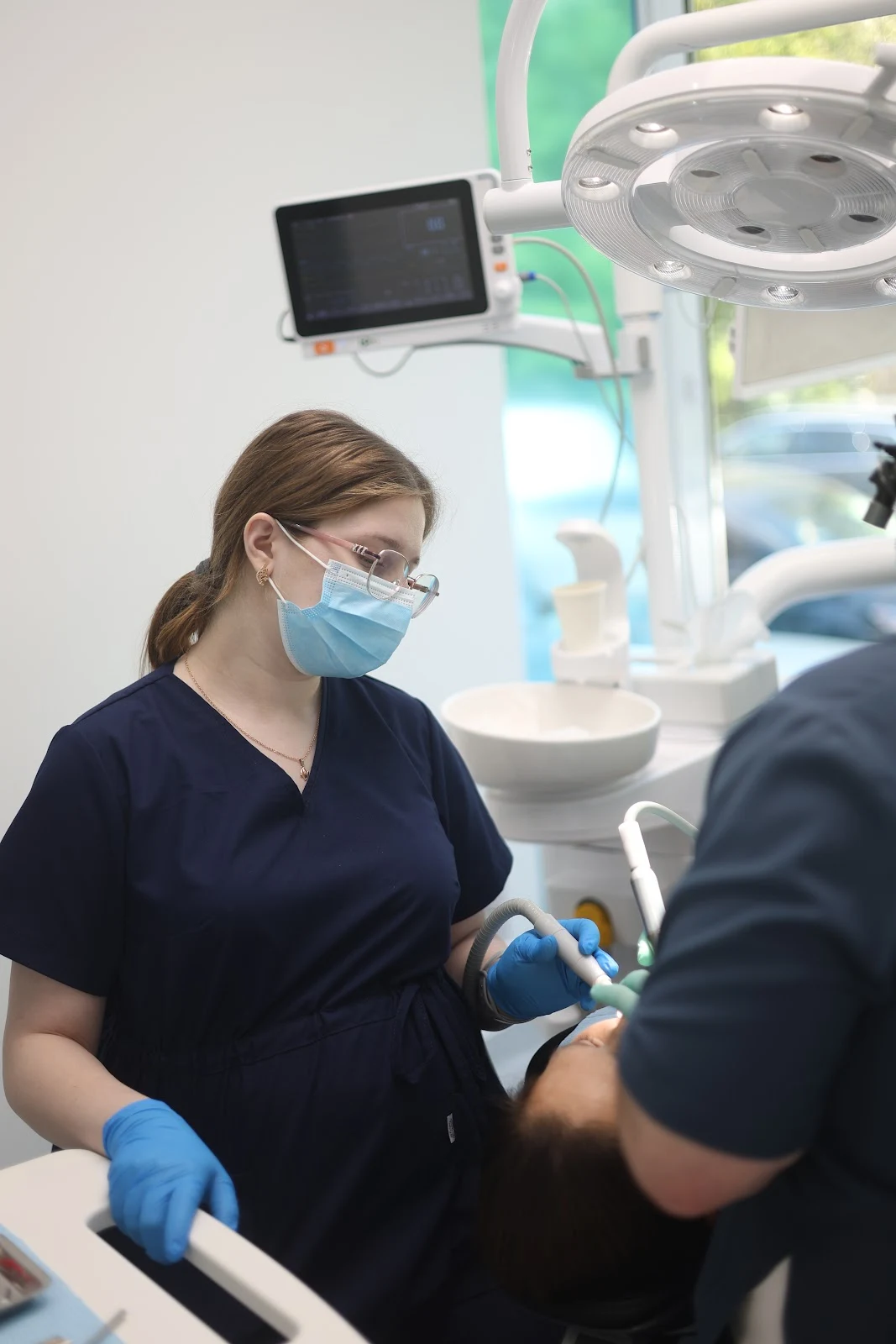
Age is not the only consideration
Adults can have orthodontic treatment, but suitability depends on oral health and individual goals. Crowding, gaps or certain bite problems may justify an assessment. Appearance is only part of the discussion: cleaning access, tooth contacts and chewing difficulties also matter. Treatment is not automatically necessary because teeth are imperfectly aligned, and choosing not to proceed can be reasonable after an informed discussion.
What the assessment checks
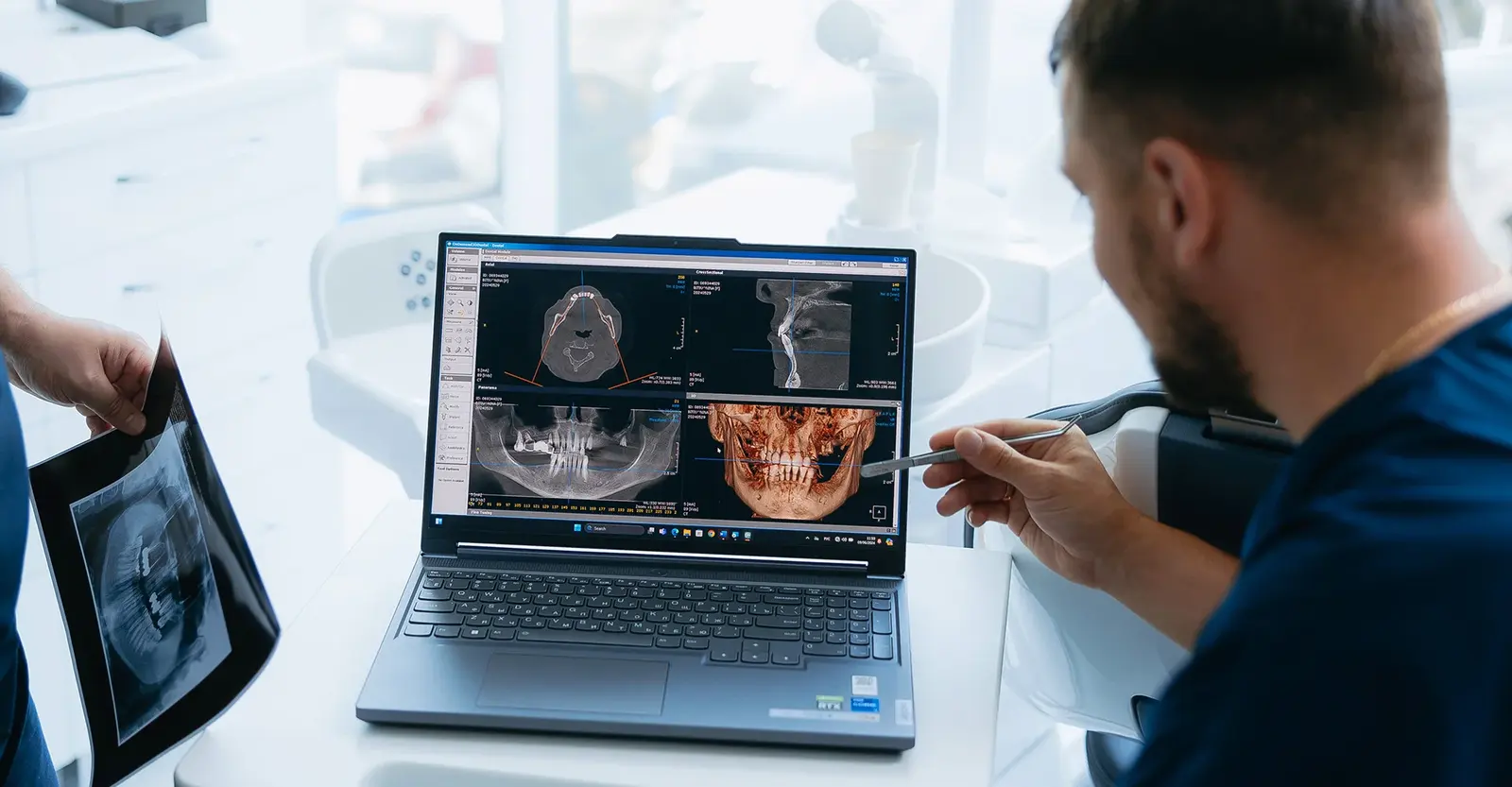
The consultation covers medical and dental history, previous treatment, and an examination of the teeth, gums and bite. Photographs, models or scans and X-rays may be recommended when they inform diagnosis. Decay and gum inflammation need attention before tooth movement. Crowns, implants, missing teeth or reduced periodontal support can affect the available options and treatment sequence. Investigations should follow individual clinical needs.
Choosing an appliance and understanding limits
Fixed braces and clear aligners have different indications and practical requirements. Selection depends on the movements needed, supporting tissues and ability to follow instructions. Some goals require coordination with other dental specialists. Estimated duration is not a guarantee: biological response, hygiene, attendance and appliance problems can change the schedule. The discussion should cover possible discomfort, enamel demineralisation and other risks relevant to your circumstances.
A plan that fits everyday life
Ask which changes are realistic, what alternatives exist and what postponing treatment would mean. During treatment, careful cleaning, routine dental checks and adjustment appointments remain important. Afterwards, retainers help maintain the positions achieved and require an individual wearing and review plan. A useful treatment plan explains your responsibilities, includes ongoing maintenance and allows reassessment if your oral health, preferences or priorities change over time.
Related service
Adult orthodontics: what an initial assessment involves
Medical sources
This information is educational and does not replace a consultation. Treatment is planned individually.
The information on this website is educational and does not replace a consultation with a dentist. A treatment plan can only be made after an individual clinical examination.
Visit bluClinic
Contact us by phone, WhatsApp or e-mail to arrange a consultation.
Related services
Recommended reading
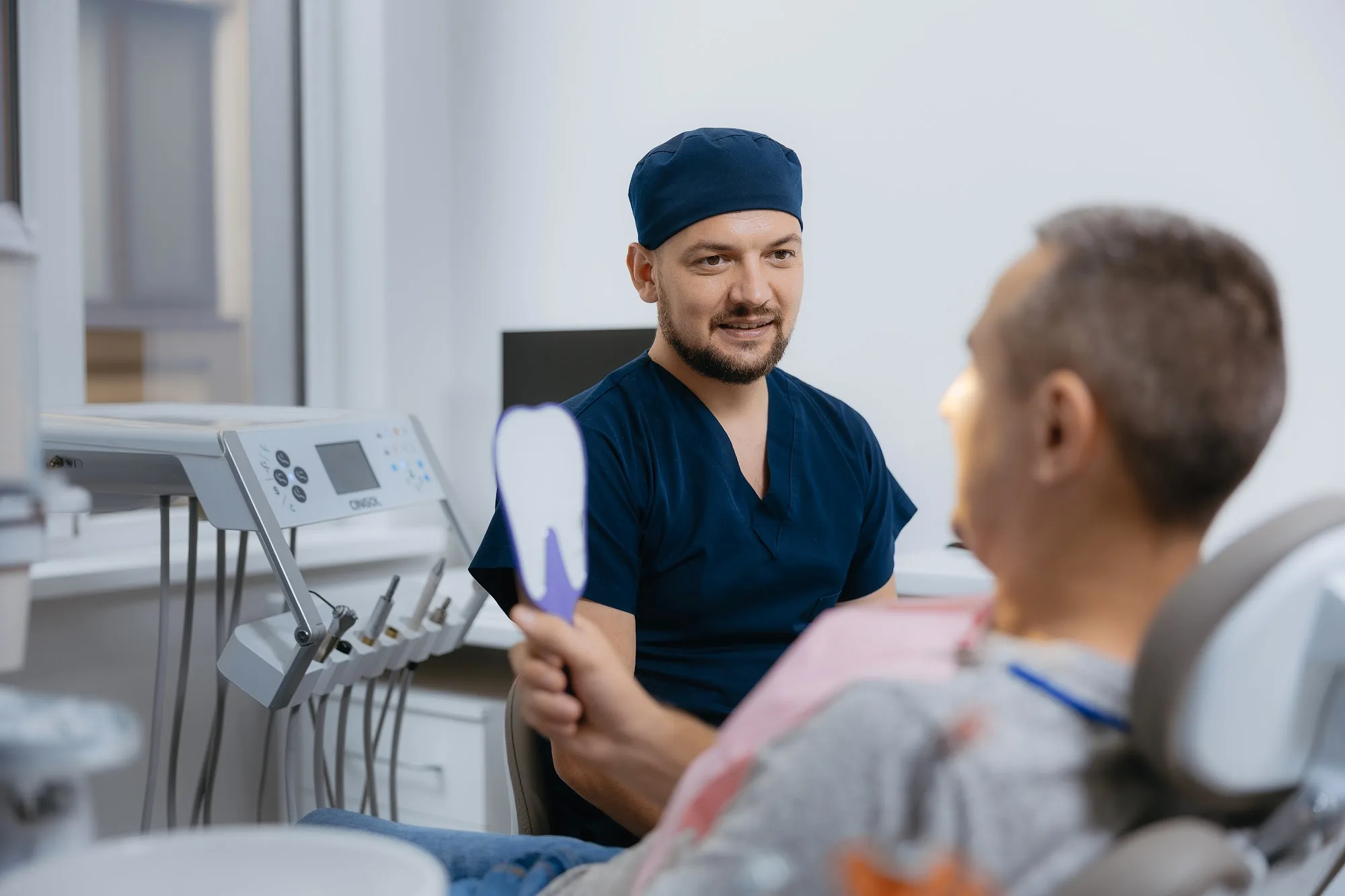
Bad breath: common causes and what helps
Bad breath usually starts in the mouth. Learn what can cause it and which habits help.
bluClinic editorial team · Date: 25 November 2026 · 4 min read
Teeth grinding (bruxism): signs and what helps
Many people grind or clench their teeth without knowing it. Here are common signs, what may help and when an assessment is worthwhile.
bluClinic editorial team · Date: 21 November 2026 · 4 min read
Teeth sensitive to cold and sweet: causes and what helps
Tooth sensitivity has several possible causes. Learn what can trigger it, what to try at home and when a check-up is needed.
bluClinic editorial team · Date: 17 November 2026 · 4 min read