
Care & prevention
Teeth sensitive to cold and sweet: causes and what helps
New article for medical team review before publication.
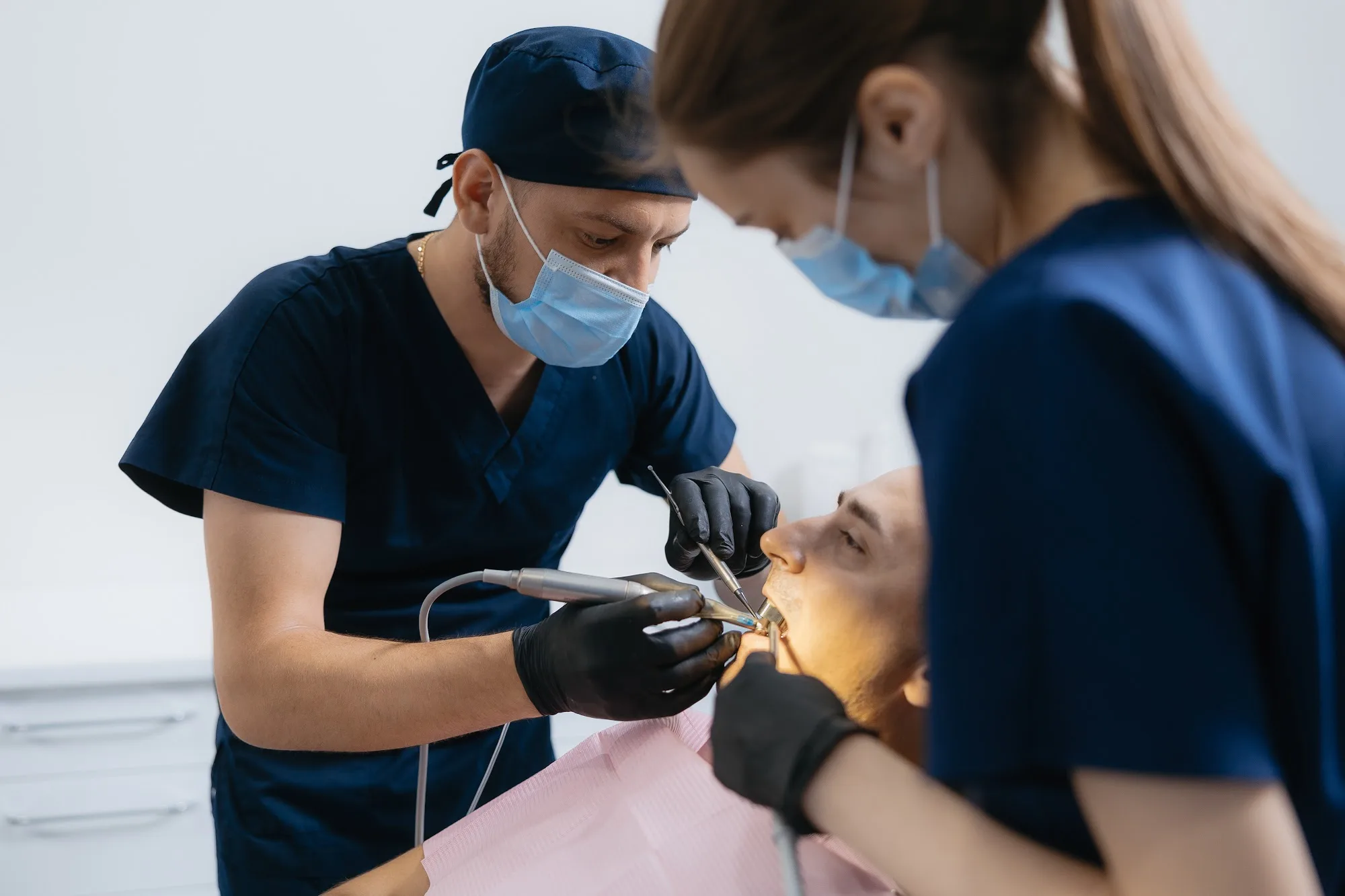
A sharp twinge when you drink cold water or eat something sweet can make everyday meals uncomfortable. Tooth sensitivity is a symptom rather than a diagnosis: exposed dentine is one explanation, but decay, a crack or a damaged filling can feel similar.
In short
- Brief discomfort from cold or sweet foods can come from exposed dentine.
- Gentle brushing and a fluoride toothpaste for sensitive teeth may help.
- Persistent, localised or lingering pain needs a dental assessment.
- Swelling or difficulty swallowing requires urgent attention.
Why teeth become sensitive
Dentine lies beneath enamel and also covers the root beneath its protective outer layer. It contains tiny channels that communicate with the inside of the tooth. When dentine is exposed, temperature changes and certain foods can trigger a brief, sharp sensation. However, symptoms alone cannot confirm that this is the cause.
Common explanations
- Receding gums: exposed root surfaces are less protected than the enamel-covered crown.
- Enamel wear: frequent acidic drinks, reflux or brushing too forcefully may contribute.
- Decay or damaged restorations: a cavity, loose filling or crack may cause similar discomfort.
- Recent treatment: temporary sensitivity may follow some dental procedures or whitening.
Several teeth reacting to cold may suggest a different pattern from one tooth that hurts when you bite. Grinding may contribute to wear or cracks, but sensitivity does not prove that you grind your teeth. Tell the dentist about any recent treatment, changes in your routine or recurrent reflux rather than trying to identify the cause yourself.
What you can safely try at home
Brush twice daily with a fluoride toothpaste and a soft-bristled brush. Use gentle movements along the gumline rather than scrubbing sideways. Clean between the teeth daily with an appropriate aid, taking care not to snap floss against the gums. Avoiding cleaning altogether can allow plaque and gum inflammation to build up.
Choose a consistent routine
A toothpaste formulated for sensitive teeth may reduce discomfort with regular use over several weeks. Follow its instructions; different formulations work differently. Spit out excess toothpaste after brushing rather than rinsing immediately with water. Do not replace fluoride toothpaste with homemade mixtures, charcoal or abrasive powders, which may worsen surface wear.
- Notice which foods or drinks trigger symptoms, without repeatedly testing the tooth.
- Reduce frequent sipping of acidic drinks and keep these drinks with meals where possible.
- Rinse with water after acidic foods or drinks, and avoid brushing straight afterwards.
- Use lukewarm water for brushing if cold water makes cleaning difficult.
Practical tip: keep a short note of which tooth hurts, the trigger and how long the sensation lasts. This is more useful at your appointment than repeatedly trying very cold drinks to check the pain.
Pause whitening products if they trigger sensitivity and ask for advice before restarting. Do not put aspirin, alcohol or concentrated essential oils directly on a painful tooth or gum. Home measures can ease symptoms, but they cannot repair a cavity, seal every crack or treat an infected tooth.
When an examination matters
Arrange a check-up if symptoms persist for several weeks, worsen, affect one particular tooth or interfere with eating and cleaning. Seek advice sooner for pain on biting, a broken tooth, spontaneous pain or pain that continues after the cold or sweet trigger is gone. You do not need to wait several weeks if the pain is significant.
The dentist may ask about triggers, examine the teeth and gums, assess fillings and perform sensitivity or bite tests. X-rays are considered when clinically indicated, not automatically for every sensitive tooth. This helps distinguish exposed dentine from conditions requiring a different treatment.
Depending on the findings, options may include fluoride or desensitising products, covering an exposed area, repairing a restoration or treating gum disease. A crack or inflamed tooth pulp needs its own assessment. Protection from grinding may be discussed where appropriate; no single treatment is right for every sensitive tooth.
Seek urgent dental care for swelling, fever with toothache or severe worsening pain. If swelling affects breathing or swallowing, or spreads towards the eye or neck, seek emergency medical help immediately.
Frequently asked questions
Does sensitivity always mean a cavity?
No. Exposed root surfaces and enamel wear are possible causes too. However, a cavity can produce similar symptoms, so new or persistent discomfort should not be diagnosed from the trigger alone.
How long should I use sensitive toothpaste?
Use it regularly according to the label; benefit may take several weeks. If symptoms worsen or pain lingers, arrange an assessment rather than simply changing products or waiting for the toothpaste to work.
Can I still have professional cleaning?
Usually, but mention the sensitivity beforehand. The approach can be adapted to your needs, and the dentist can check whether gum inflammation, exposed roots or another problem needs attention alongside cleaning.
Related service
Medical sources
This information is educational and does not replace a consultation. Care is planned individually.
The information on this website is educational and does not replace a consultation with a dentist. A treatment plan can only be made after an individual clinical examination.
Visit bluClinic
Contact us by phone, WhatsApp or e-mail to arrange a consultation.
Related services
Recommended reading

Bad breath: common causes and what helps
Bad breath usually starts in the mouth. Learn what can cause it and which habits help.
bluClinic editorial team · Date: 25 November 2026 · 4 min read

Teeth grinding (bruxism): signs and what helps
Many people grind or clench their teeth without knowing it. Here are common signs, what may help and when an assessment is worthwhile.
bluClinic editorial team · Date: 21 November 2026 · 4 min read

Preparing for a dental visit when you feel anxious
Share your concerns beforehand and agree a stop signal. A first visit can begin with discussion and assessment.
bluClinic editorial team · Date: 5 November 2026 · 4 min read