
Care & prevention
Preparing for a dental visit when you feel anxious
New article for medical team review before publication.
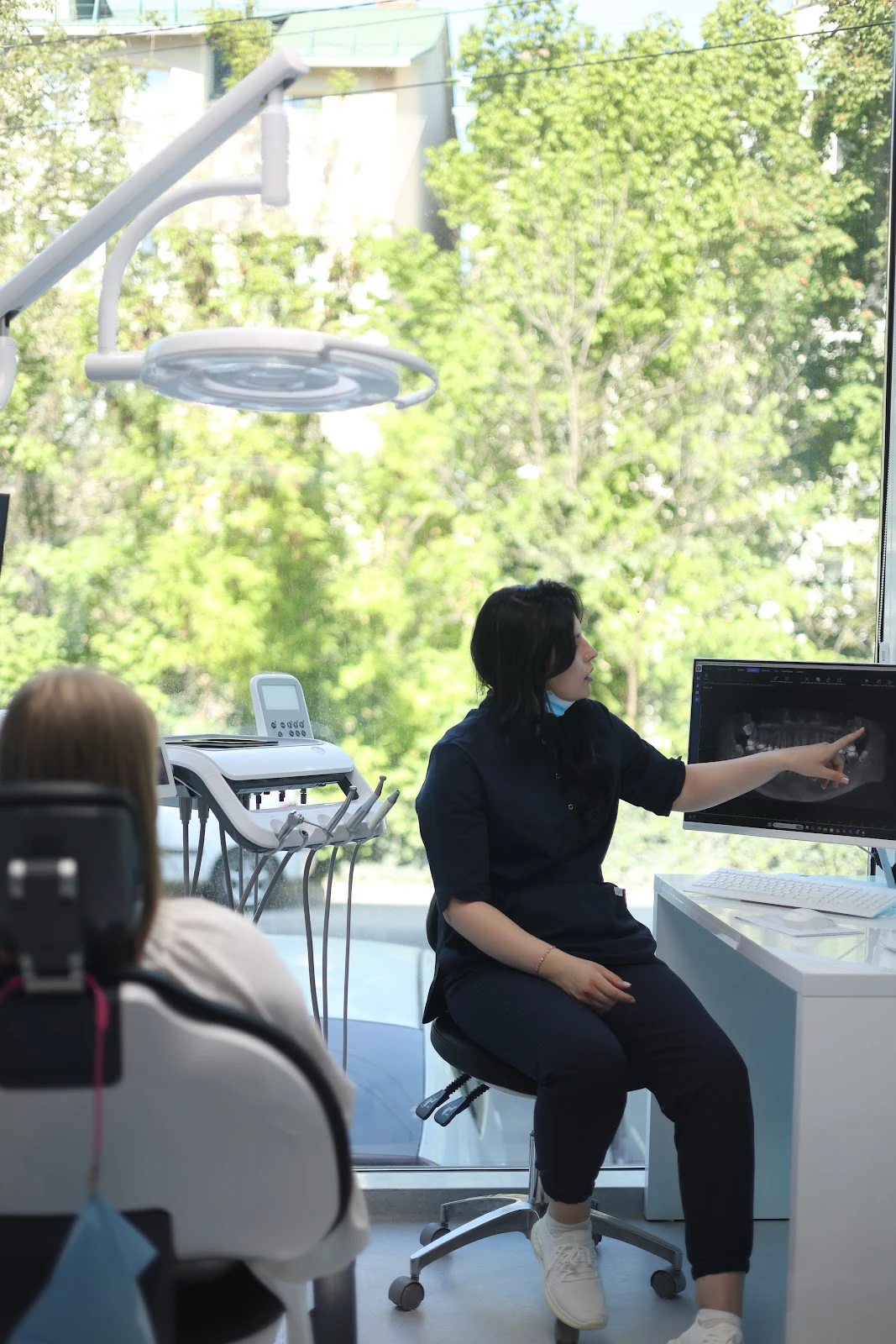
Feeling anxious about a dental visit is a reason to ask for support, not something you need to hide. Preparing a few details and agreeing how the appointment will proceed can make the next step more manageable, without promising that every uncomfortable sensation can be avoided.
In short
- Tell the team what worries you when you book, rather than waiting until treatment starts.
- Agree a pause signal and the amount of explanation you want.
- Bring your medical information and ask about practical adjustments.
- Severe pain or swelling needs timely assessment even when you feel afraid.
Identify what makes the visit difficult
Dental anxiety can relate to pain, sounds, needles, gagging, a previous experience or feeling unable to stop what is happening. Some people feel embarrassed about their teeth or about a long gap in care. You do not need to justify these feelings. Describing them specifically helps the team discuss what might realistically be adapted.
When booking, say whether the hardest part is waiting, lying back, opening your mouth or not knowing what comes next. Mention any previous fainting episodes, panic symptoms or difficulty tolerating dental procedures. These details are useful health information, not a test of how well you cope.
Prepare a short explanation
Write down two or three sentences if speaking about fear is difficult. For example: “Unexpected movements worry me. Please explain before you begin and let me ask for a break.” You can also say that you prefer not to hear detailed descriptions of instruments. The aim is communication that suits you while still providing the information needed for consent.
Agree the pace and your role
At the beginning, ask what the appointment is expected to involve and which decisions need to be made that day. An initial visit may focus on discussion and assessment if clinically appropriate. However, urgent problems may need prompt investigation or treatment, so a discussion-only visit cannot always be the safest plan.
Agree a clear pause signal, such as raising one hand. Ask how the team will respond: an instrument may need to be removed safely before a break. Try the signal before treatment begins, and tell the team if you need to change position or swallow.
- Ask for explanations before each new stage if that helps.
- Request a summary in everyday language, including alternatives.
- Check what you may feel and how discomfort will be addressed.
- Ask questions before agreeing to the proposed procedure.
Local anaesthesia and sedation are different approaches. Ask what pain-control options are appropriate for your health and procedure. Sedation is not suitable for everyone, requires assessment and specific instructions, and should not be assumed to be available at every appointment.
Prepare for the day without self-medicating
If you can choose, book a time when you are less likely to feel rushed. Allow enough travel time without planning an unnecessarily long wait. Bring a list of medicines, allergies and health conditions, together with your main questions. Do not stop prescribed treatment or change doses without medical advice.
Ask in advance whether a trusted companion can attend and whether headphones would be practical. Music should not prevent you from hearing instructions. Slow, comfortable breathing or focusing on the feeling of your feet on the floor may help reduce tension; these are optional tools, not obligations to remain calm.
Practical tip: keep a short note on your phone with your main worry, agreed pause signal and one question you want answered. Read it at the start, when remembering details may be harder.
Do not use alcohol, someone else's medication or extra doses of a sedative to get through the visit. If sedation is being considered, ask for individual instructions about food, drink, medicines, accompaniment and travel. Do not assume you should fast for an ordinary dental appointment.
Plan the next step and recognise urgency
Before leaving, ask what was found, what needs attention first and what can be planned later. A written summary can help you remember the discussion. Explain which adjustments helped and which did not, so the next visit can build on that experience.
If anxiety repeatedly prevents care, discuss additional support with your family doctor or a mental health professional. Psychological approaches, including cognitive behavioural therapy, may help address persistent dental fear. Progress does not have to mean completing every treatment in one visit.
Do not postpone assessment for severe pain, swelling or fever because of anxiety. Difficulty breathing, swallowing or speaking, or swelling affecting the neck or eye, requires immediate emergency help; in Moldova call 112.
Frequently asked questions
Will I be judged for avoiding appointments?
You can explain that fear has delayed care without apologising. Ask to focus on your current needs and a manageable plan rather than on blame.
Can I ask to stop during treatment?
Yes. Agree a signal beforehand so the team knows you need a pause and can stop safely. You can also ask for further explanation before continuing.
What if breathing exercises do not help?
Tell the team. A technique that helps one person may not suit another. Discuss different adjustments and, if needed, professional support rather than taking unprescribed medication.
Related service
Preparing for a dental visit when you feel anxious
Medical sources
This information is educational and does not replace a consultation. Treatment is planned individually.
The information on this website is educational and does not replace a consultation with a dentist. A treatment plan can only be made after an individual clinical examination.
Visit bluClinic
Contact us by phone, WhatsApp or e-mail to arrange a consultation.
Related services

Recommended reading

Bad breath: common causes and what helps
Bad breath usually starts in the mouth. Learn what can cause it and which habits help.
bluClinic editorial team · Date: 25 November 2026 · 4 min read

Teeth grinding (bruxism): signs and what helps
Many people grind or clench their teeth without knowing it. Here are common signs, what may help and when an assessment is worthwhile.
bluClinic editorial team · Date: 21 November 2026 · 4 min read

Teeth sensitive to cold and sweet: causes and what helps
Tooth sensitivity has several possible causes. Learn what can trigger it, what to try at home and when a check-up is needed.
bluClinic editorial team · Date: 17 November 2026 · 4 min read