
Care & prevention
Braces or aligners: suitability and everyday adherence
New article for medical team review before publication.
Diagnosis comes before the appliance
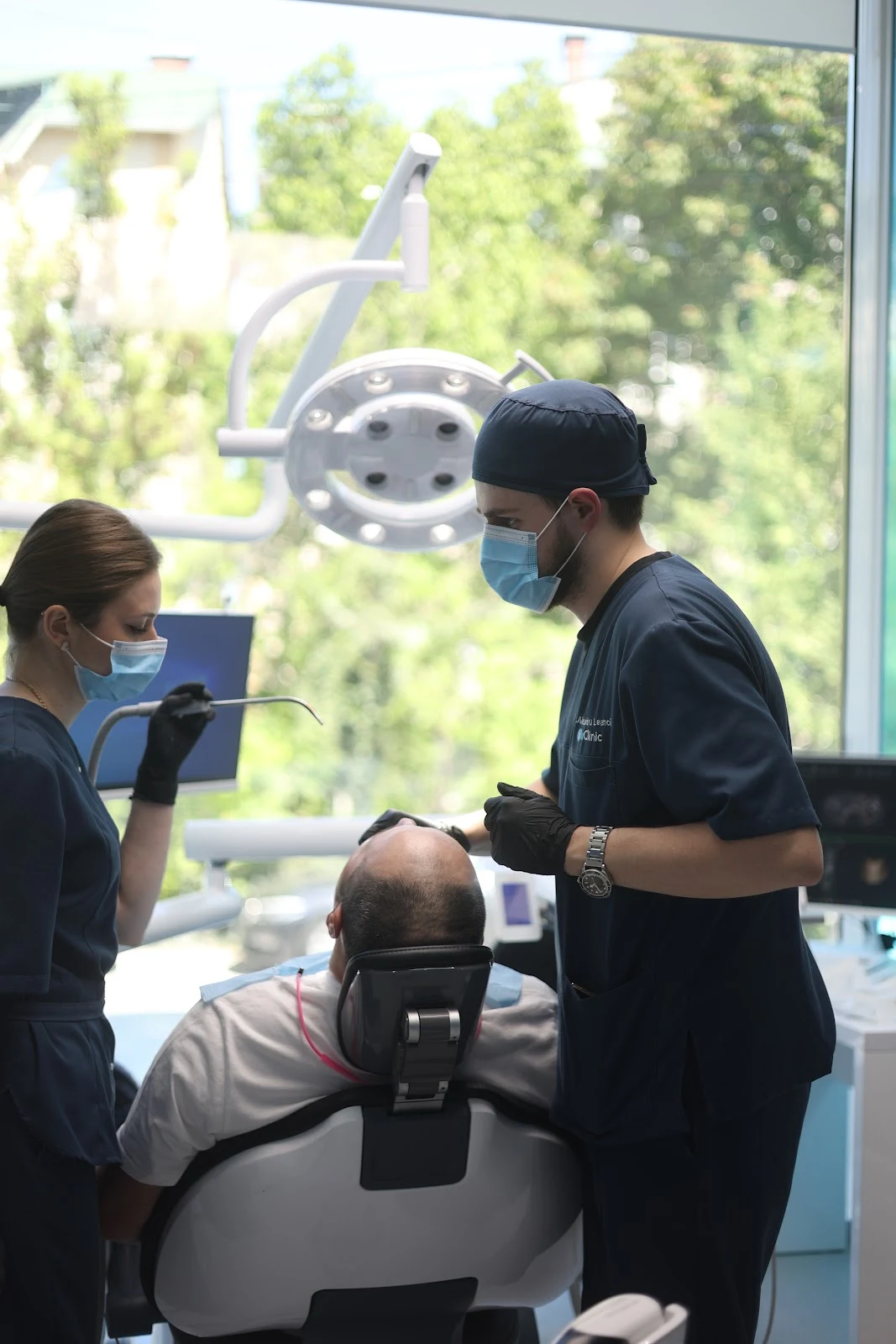
Fixed braces and clear aligners both move teeth, but they are not interchangeable in every situation. Assessment considers crowding, spacing, bite relationships and the health of supporting tissues. Particular movements may suit one system or a combination of approaches. Wanting a discreet appliance matters, but appearance should not replace clinical reasoning or a clear explanation of limitations. Neither option is universally best for everyone.
What fixed braces involve
Brackets are attached to teeth and connected by wires that are adjusted during treatment. Braces stay in place during meals, but foods that could damage components need attention. Cleaning around brackets and between teeth takes time and suitable technique. If elastics are prescribed, their use still depends on cooperation. A fixed appliance does not remove the need for reliable hygiene, appointments or following instructions.
What aligners involve
Aligners are removable trays worn in the sequence and for the daily duration prescribed by the clinician. They are removed for meals and cleaning as instructed. Insufficient wear can delay planned movements or make progress less predictable. Tooth-coloured attachments, elastics or additional treatment stages may be needed. Being discreet does not mean treatment is free from monitoring, temporary discomfort or practical demands throughout the day.
Making an informed choice
Be realistic about work routines, eating habits, cleaning and your ability to follow a wearing schedule. Ask about alternatives, relevant risks and how the plan could change if progress differs from expectations. Both approaches require professional monitoring and an individual retention plan afterwards. The useful choice combines clinical suitability with a routine you can sustain, rather than relying on photographs or promises of unusually rapid results.
Related service
Braces or aligners: suitability and everyday adherence
Medical sources
This information is educational and does not replace a consultation. Treatment is planned individually.
The information on this website is educational and does not replace a consultation with a dentist. A treatment plan can only be made after an individual clinical examination.
Visit bluClinic
Contact us by phone, WhatsApp or e-mail to arrange a consultation.
Related services
Recommended reading

Bad breath: common causes and what helps
Bad breath usually starts in the mouth. Learn what can cause it and which habits help.
bluClinic editorial team · Date: 25 November 2026 · 4 min read

Teeth grinding (bruxism): signs and what helps
Many people grind or clench their teeth without knowing it. Here are common signs, what may help and when an assessment is worthwhile.
bluClinic editorial team · Date: 21 November 2026 · 4 min read
Teeth sensitive to cold and sweet: causes and what helps
Tooth sensitivity has several possible causes. Learn what can trigger it, what to try at home and when a check-up is needed.
bluClinic editorial team · Date: 17 November 2026 · 4 min read