
Care & prevention
Early tooth decay: what can reverse and what cannot
New article for medical team review before publication.
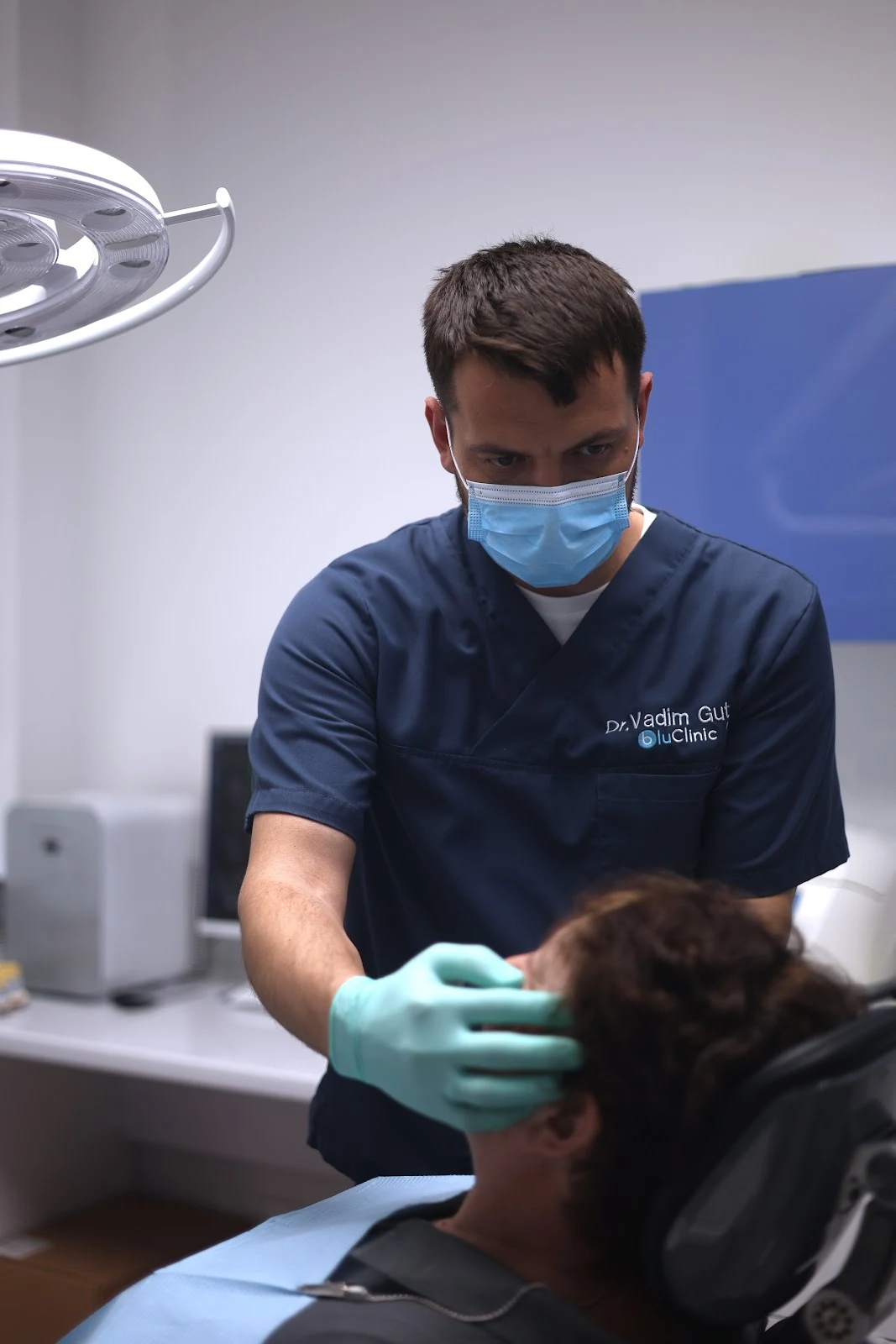
Early tooth decay does not always mean that a hole has already formed. When the surface is still intact, changes to daily care and appropriate preventive treatment may stop the process, but missing tooth structure cannot simply grow back.
In short
- A white patch is not enough to diagnose decay.
- An early lesion without a cavity may be arrested or remineralised.
- Toothpaste cannot rebuild the tooth structure lost from a cavity.
- Monitoring needs clear home-care instructions and a review plan.
Mineral loss and a cavity are different
Plaque bacteria use sugars and produce acids. Repeated acid exposure can shift the balance towards mineral loss from the tooth. Saliva helps protect the mouth, and fluoride supports resistance to decay, but frequent sugar exposure and retained plaque can overwhelm that protection. Decay is a process over time, not something defined only by whether a tooth hurts.
At an early stage, a lesion may have an intact surface with a chalky white appearance. However, white marks can have other causes, including changes that formed while the tooth was developing. Colour alone, or a photograph taken at home, cannot reliably show whether a spot is active decay, a stable old lesion or something else.
What the examination establishes
Your dentist assesses the surface, location, plaque retention and signs of progression. X-rays may be recommended when they can clarify areas that cannot be seen directly, such as between teeth. Their use depends on the clinical question and your individual needs. Previous records can help comparisons, but no home test replaces the assessment.
What can be stopped or remineralised?
When a lesion has not broken down into a cavity, controlling plaque, using fluoride and reducing frequent sugar exposure may help it become inactive or regain minerals. This does not mean every early lesion will recover in the same way. Its location, activity, your ability to clean it and your overall decay risk influence the plan.
- Brush twice daily with fluoride toothpaste, including before bed.
- Spit out the excess and avoid immediately rinsing with water.
- Clean between teeth daily with an aid suited to the available space.
- Reduce repeated sugary snacks and prolonged sipping of sugary drinks.
For adults, usual advice is to use toothpaste containing at least 1,350 ppm fluoride; children need age-appropriate guidance. A dentist may recommend additional measures, such as fluoride varnish or prescribed higher-fluoride toothpaste where appropriate. Do not use prescription products intended for someone else. The aim is a healthier, stable surface, not necessarily the complete disappearance of a visible mark.
Look at how often sugar reaches your teeth, not only the total amount. Keeping sweet foods to mealtimes and choosing water between meals can be a practical first step; discuss medicines or dry mouth if they make prevention harder.
What toothpaste cannot repair
Once the surface has broken and tooth structure is missing, brushing, supplements and home remedies cannot grow that missing part back. A filling or another approach may be needed, depending on the depth, accessibility and condition of the tooth. Treatment aims to control disease and preserve useful tissue; the decision is not based on colour alone.
Some lesions need a more specific preventive or minimally invasive approach, while deeper damage may require more extensive care. Your dentist should explain the purpose of any proposed treatment and the alternatives. Having no pain does not prove that a cavity is small, and temporary relief from sensitivity does not demonstrate that the damage has healed.
Do not probe a mark with a needle, scrape a suspected cavity or apply acidic mixtures to it. These actions can injure tissues or worsen surface damage without establishing a diagnosis. Products advertised as rebuilding teeth should not be used to delay assessment of a hole or a broken edge.
Monitoring is active care, not just waiting
If monitoring is recommended, ask what findings make that appropriate, what you need to change and when to return. A useful plan specifies how stability will be assessed and what would trigger treatment. Review intervals and any repeat X-rays are individual; they should not be copied from another person's schedule.
Arrange an earlier review for new pain, persistent sensitivity, food repeatedly catching or a piece breaking away. Report dry mouth and difficulties following the routine, rather than waiting until the next planned visit. The preventive plan can be adjusted when circumstances change.
Swelling, pus or fever with a dental problem needs prompt dental attention. Rapidly spreading facial swelling or difficulty breathing or swallowing requires emergency medical care; do not wait for a routine decay review.
Frequently asked questions
Will a white spot disappear after treatment?
Not necessarily. A lesion can become inactive while a visible mark remains. The main question is whether the surface is stable and the disease process is controlled, rather than whether its colour is completely uniform.
Can I wait until it starts hurting?
No. Decay can progress without pain. Assessment while changes are small may allow more conservative options; symptoms are not a reliable way to judge depth or decide when care is needed.
Does monitoring mean I do not need treatment?
Monitoring usually comes with active prevention and scheduled reassessment. It is a plan, not permission to ignore the area. Ask what signs would change the recommendation and how to contact the practice sooner.
Related service
Early tooth decay: what can reverse and what cannot
Medical sources
This information is educational and does not replace a consultation. Treatment is planned individually.
The information on this website is educational and does not replace a consultation with a dentist. A treatment plan can only be made after an individual clinical examination.
Visit bluClinic
Contact us by phone, WhatsApp or e-mail to arrange a consultation.
Related services
Recommended reading

Bad breath: common causes and what helps
Bad breath usually starts in the mouth. Learn what can cause it and which habits help.
bluClinic editorial team · Date: 25 November 2026 · 4 min read

Teeth grinding (bruxism): signs and what helps
Many people grind or clench their teeth without knowing it. Here are common signs, what may help and when an assessment is worthwhile.
bluClinic editorial team · Date: 21 November 2026 · 4 min read
Teeth sensitive to cold and sweet: causes and what helps
Tooth sensitivity has several possible causes. Learn what can trigger it, what to try at home and when a check-up is needed.
bluClinic editorial team · Date: 17 November 2026 · 4 min read