
Implants
Implant maintenance: cleaning, reviews and warning signs
New article for medical team review before publication.
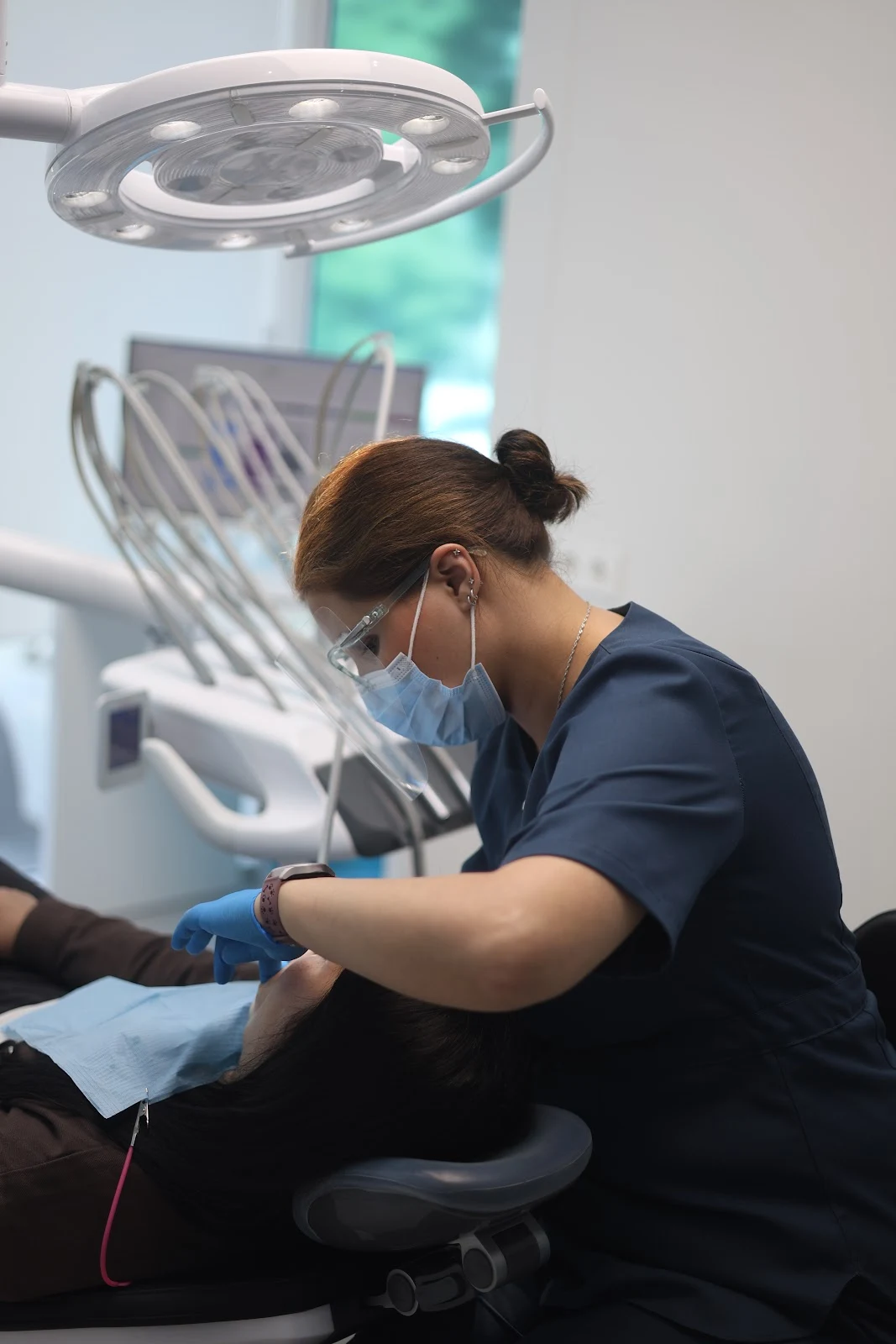
A dental implant needs daily cleaning and continuing professional care, even when the replacement tooth feels completely comfortable. Bacterial plaque can collect around implants just as it can around natural teeth. A practical routine and reviews tailored to your risk help identify inflammation or mechanical problems before they become more difficult to manage.
In short
- Brush twice daily and clean around the restoration every day.
- Ask for cleaning aids and techniques suited to your particular replacement.
- Review intervals depend on individual risk, not a universal timetable.
- Bleeding, discharge, swelling or movement needs assessment, even without pain.
Why an implant still needs maintenance
An implant replaces a tooth root, while the visible crown or bridge restores the missing tooth or teeth. Although these components do not develop tooth decay, the surrounding tissues can become inflamed. Nearby natural teeth remain susceptible to decay and gum disease, so maintenance must consider the whole mouth rather than only the implant.
Peri-implant mucositis is inflammation limited to the surrounding soft tissues. It can be reversible with appropriate treatment and effective plaque control. Peri-implantitis also involves loss of supporting bone and requires more complex assessment and care. Neither condition necessarily causes pain early on, so comfort alone cannot confirm that the tissues are healthy.
Bleeding is a reason to review cleaning and arrange assessment, not simply to stop cleaning the area indefinitely. It is not possible to distinguish the extent of inflammation reliably by looking in a mirror. Clinical findings, changes over time and imaging when indicated help establish what is happening.
Build a daily routine that fits the restoration
Brush twice daily, including the gumline and all accessible surfaces of the replacement. Use fluoride toothpaste for the natural teeth that remain. A manual or powered toothbrush may be suitable; choose one you can use effectively and gently. Ask for a demonstration if the back or inner surfaces are difficult to reach.
Clean between and beneath the teeth
Clean around the restoration each day with aids selected for its shape and available space. Interdental brushes, specialised floss or a floss threader may be useful. The correct size matters: an aid should reach the intended area without being forced into the tissues. A water flosser may be an additional option when recommended, but does not remove the need for brushing and review.
- For a single crown, check access on both sides and around the gumline.
- For a bridge, learn how to clean beneath the bridge as well as around supporting components.
- For a removable implant-supported replacement, follow the demonstrated removal and cleaning instructions.
- Do not remove fixed components or use improvised metal tools beneath the gums.
Bring your brushes and other cleaning aids to a maintenance visit. Ask the clinician to watch your technique and show exactly where each aid should pass. A method demonstrated on your own restoration is more useful than guessing from a general diagram.
Mouthwash does not replace mechanical cleaning. Use antiseptic products only as advised, with a clear purpose and duration. If an area repeatedly traps food or cannot be reached, mention it rather than pushing harder; the cleaning approach or the restoration may need professional review.
Plan professional reviews around your risks
Maintenance intervals are individual. Previous periodontitis, smoking, diabetes control, plaque accumulation and current tissue findings can influence how often visits are needed. A schedule may change as your circumstances change. If you miss a visit, arrange another rather than waiting for symptoms to appear.
What may be checked
A review may include examination of redness, swelling and bleeding, gentle probing measurements, comparison with earlier records, and assessment of the bite and restoration stability. Radiographs are taken when they provide necessary information, not automatically at every appointment. Professional cleaning complements home care; neither can fully replace the other.
Discuss support for stopping smoking and managing diabetes with the relevant healthcare professionals. Keep cleaning the remaining teeth and attend to periodontal disease. Retain implant records and details of the system if available, particularly when care is shared or you move to another practice.
Recognise changes and know when to call
Arrange assessment for repeated bleeding, redness, swelling, discharge, unpleasant taste or gum recession. A moving crown, a changed bite or discomfort on chewing may indicate a mechanical problem as well as a tissue problem. Avoid chewing hard foods on a loose restoration and contact the clinic; do not attempt to tighten or glue components yourself.
Significant or worsening pain, fever or spreading swelling needs prompt care. Rapidly spreading swelling or difficulty breathing or swallowing requires emergency medical help. Do not wait for a scheduled maintenance visit when these symptoms develop.
Treatment depends on whether the problem affects soft tissues, supporting bone or prosthetic components. Earlier assessment may limit damage but cannot guarantee retention of the implant. Antibiotics alone are not a substitute for diagnosis, plaque control and any necessary professional treatment.
Frequently asked questions
Can I skip reviews if nothing hurts?
No. Inflammation can be present without early pain. Continue the agreed maintenance schedule and contact the clinic sooner for changes, rather than using discomfort as the only sign that care is needed.
Should I stop cleaning if the gum bleeds?
Do not abandon hygiene. Clean gently with the recommended aids and arrange assessment for repeated bleeding. Forceful scrubbing is not the answer, and persistent bleeding should not be assumed to be harmless.
Does every implant need the same brush?
No. Access differs between crowns, bridges and removable replacements. Ask for the appropriate size and technique, and have them checked if the restoration changes or cleaning becomes difficult.
Related service
Implant maintenance: cleaning, reviews and warning signs
Medical sources
This information is educational and does not replace a consultation. Treatment is planned individually.
The information on this website is educational and does not replace a consultation with a dentist. A treatment plan can only be made after an individual clinical examination.
Visit bluClinic
Contact us by phone, WhatsApp or e-mail to arrange a consultation.
Related services
Recommended reading
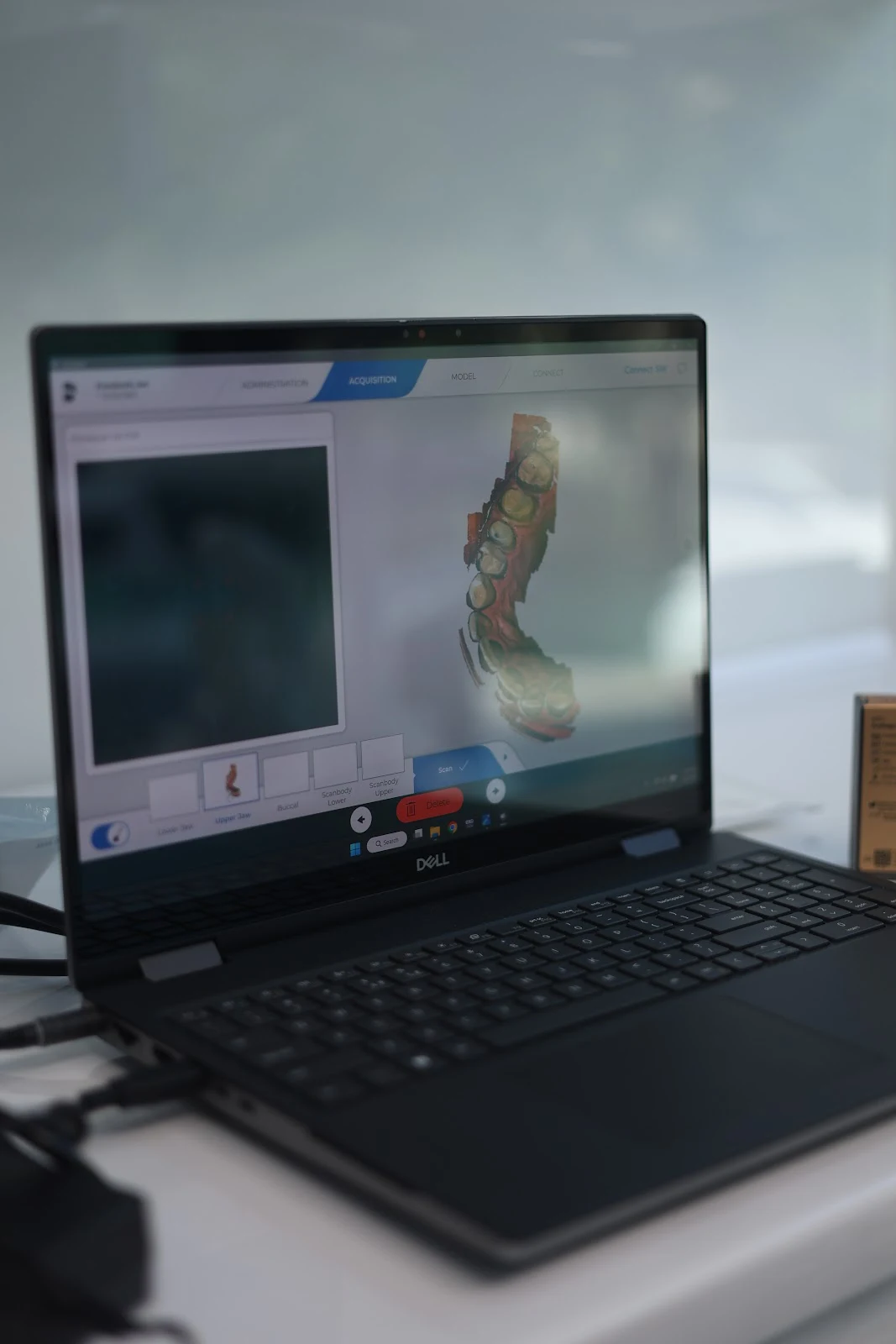
Dental CBCT: when it is justified
Three-dimensional imaging should answer a clinical question and is not a routine examination for every patient.
bluClinic editorial team · Date: 12 October 2026 · 4 min read
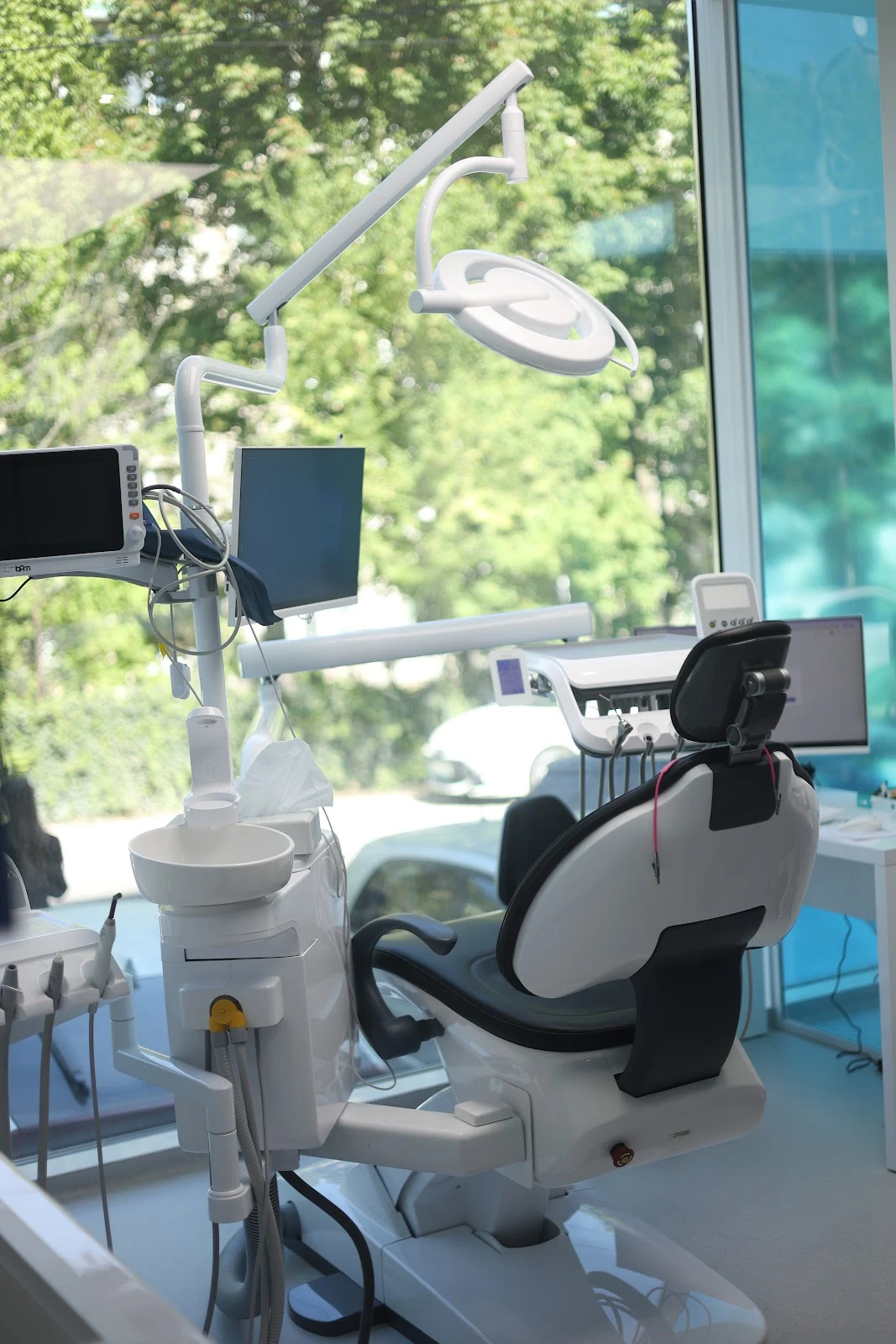
Preparing for a dental implant consultation
Bring available records and your medical history, and prepare questions about alternatives, risks and long-term maintenance.
bluClinic editorial team · Date: 4 October 2026 · 5 min read
How long does a dental implant last in Chișinău and what affects its lifespan – real factors that determine long-term success and durability
One of the most common questions patients ask is:“How long does a dental implant last?” For many patients in Chișinău, dental implants represent a significant investment, so durability is a key factor when making a decision. The short answer is:a dental implant can last for decades, and in some case
Dr. Vadim Guțu · 5 May 2026 · 2 min read