
Implants
Preparing for a dental implant consultation
New article for medical team review before publication.
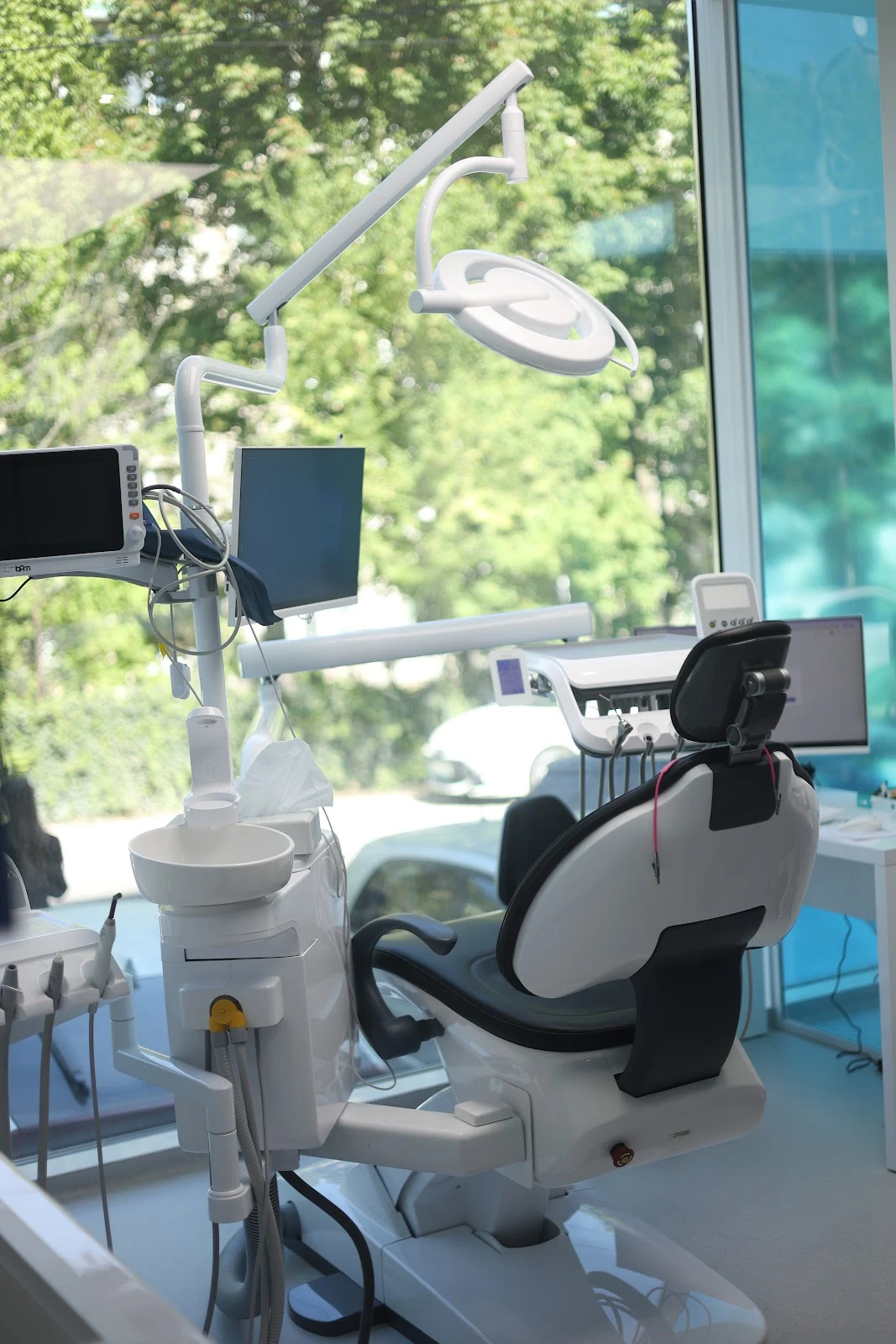
An implant consultation is an opportunity to understand your options, not an obligation to agree to surgery. Bringing a clear medical history, available dental records and a few questions helps make the discussion useful. You do not need to arrange new scans or change medicines simply to prepare.
In short
- Bring existing images, reports and a complete medication list.
- Discuss general health, gum health, smoking and previous healing problems.
- Ask about alternatives, stages, risks and long-term maintenance.
- Any initial schedule depends on examination findings and healing.
Gather the information you already have
Bring previous dental radiographs and reports if available, especially records of extractions, gum treatment or earlier implants. Original digital files can be more useful than photographs of a screen. If records are held elsewhere, ask how they can be shared securely. Missing records do not mean that you must postpone asking for advice.
Write down when the tooth was lost, why it was removed and whether there has been pain, swelling or treatment in the area. Mention any removable denture or temporary replacement and what you find difficult about it. Information about chewing, speech, appearance and cleaning helps the clinician understand your priorities.
Prepare one short checklist: medical conditions, medicines with doses, allergies, previous dental treatment and your three most important questions. Bring the packaging or an accurate list if medication names are difficult to remember.
Share your full medical and dental history
Include prescribed medicines, non-prescription products and supplements. Mention diabetes, bleeding disorders, osteoporosis treatment, cancer treatment and previous radiotherapy to the head and neck. Medicines that affect bone turnover or immunity can be particularly relevant to planning. Give the names and treatment dates where possible rather than deciding yourself that a condition is unrelated.
Explain whether you smoke, use other nicotine products or have had delayed healing or infections after surgery. Discuss any history of periodontitis, tooth grinding or difficulty maintaining oral hygiene. These factors help identify issues to address; they do not all mean that implants are automatically ruled out.
Do not adjust treatment on your own
Do not stop prescribed medication, including blood thinners, without advice from the clinician responsible for it. Changes, if needed, require an individual plan and sometimes communication with your medical team. A consultation alone is not a reason to fast, start antibiotics or change diabetes medication. Ask the clinic if any specific appointment instructions apply.
Understand what the assessment can establish
The clinician examines the teeth, gums, bite and proposed replacement area. Gum inflammation or untreated dental disease may need attention before implant treatment. The assessment also considers available space, supporting bone and whether the future replacement can be cleaned effectively. Appearance matters, but it should be considered alongside function and maintainability.
Imaging should answer a clinical question. Existing images may help, while additional radiographs or a cone-beam CT scan may be justified for planning. Do not order a new scan simply to arrive prepared. Ask what information is needed, why the proposed examination is appropriate and whether your earlier images provide useful information.
A first appointment may not produce a final plan
Further records, gum treatment or discussion with another treating clinician may be needed before suitability is clear. A proposed sequence can change when additional findings become available. Uncertainty should be explained rather than hidden behind a fixed date or a promise of a particular result.
Discuss options, stages and long-term responsibilities
Ask whether an implant is suitable and what alternatives exist, such as a bridge or removable replacement. In some situations, delaying replacement or leaving a space may also be discussed. Each option has implications for nearby teeth, cleaning, comfort and maintenance; no single choice is right for everyone.
- Clarify whether gum treatment, extraction or bone augmentation might be needed first.
- Ask about surgery, healing, fitting the replacement and any temporary tooth.
- Discuss eating restrictions, time away from normal activities and who coordinates care.
- Request a written explanation of the proposed treatment, costs and what is included.
Discuss infection, failure to integrate with bone, injury to nearby structures and possible future repairs to the replacement tooth. Neither success nor an unlimited lifespan can be guaranteed. Ask how daily cleaning will work, how reviews are arranged and which symptoms need prompt contact. Keep implant system details and relevant records if treatment proceeds.
If you currently have spreading swelling, fever or significant worsening pain, seek prompt assessment rather than waiting for an elective implant consultation. Difficulty breathing or swallowing requires emergency medical care. Mention existing symptoms when arranging your appointment so the urgency can be assessed.
Frequently asked questions
Do I need a new scan before the consultation?
Not usually on your own initiative. Bring existing records and let the clinician decide what further imaging is justified. The type of image depends on the clinical question and the information already available.
Will I know the exact treatment duration immediately?
You may receive an outline, but timing depends on the findings, additional procedures and healing. Ask which stages are provisional and what could alter the schedule rather than treating an early estimate as a promise.
Must I decide at the first appointment?
No. You can ask for explanations, consider alternatives and take time to review the proposed plan. Informed consent requires understanding the benefits, risks and responsibilities, not simply agreeing to have an implant placed.
Related service
Preparing for a dental implant consultation
Medical sources
This information is educational and does not replace a consultation. Treatment is planned individually.
The information on this website is educational and does not replace a consultation with a dentist. A treatment plan can only be made after an individual clinical examination.
Visit bluClinic
Contact us by phone, WhatsApp or e-mail to arrange a consultation.
Related services

Recommended reading
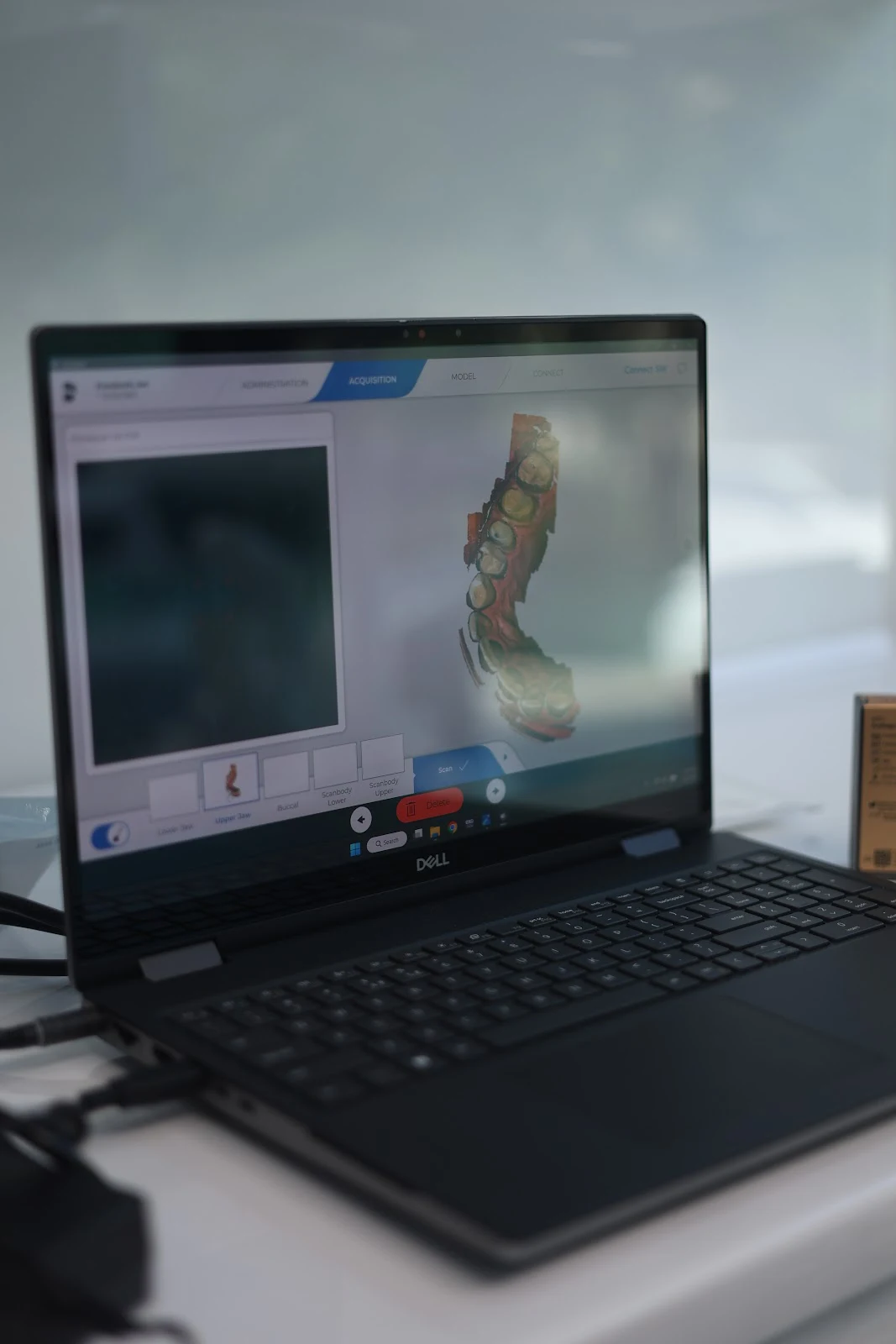
Dental CBCT: when it is justified
Three-dimensional imaging should answer a clinical question and is not a routine examination for every patient.
bluClinic editorial team · Date: 12 October 2026 · 4 min read
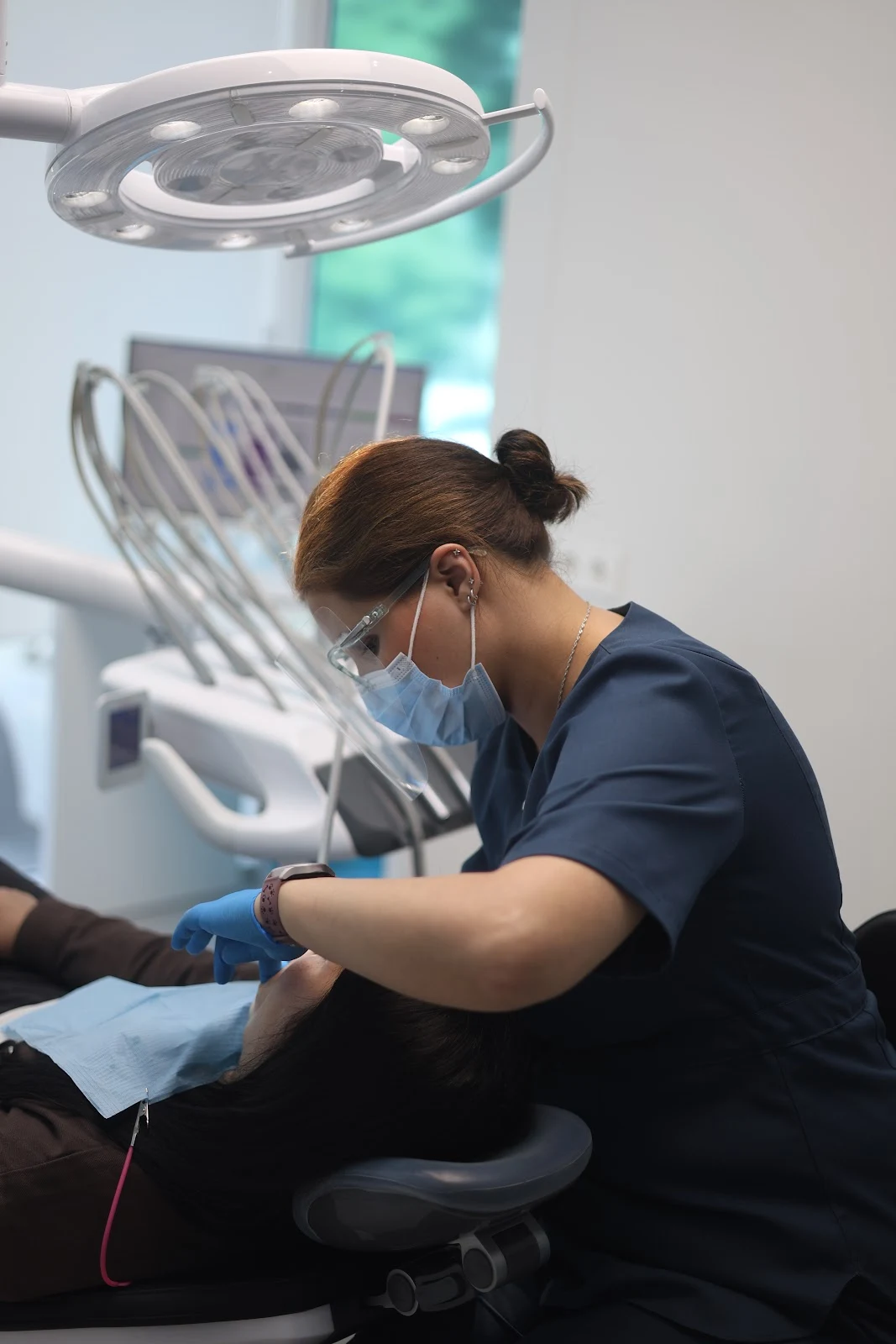
Implant maintenance: cleaning, reviews and warning signs
Implants do not develop tooth decay, but the surrounding tissues can become diseased and need continuing care.
bluClinic editorial team · Date: 8 October 2026 · 5 min read
How long does a dental implant last in Chișinău and what affects its lifespan – real factors that determine long-term success and durability
One of the most common questions patients ask is:“How long does a dental implant last?” For many patients in Chișinău, dental implants represent a significant investment, so durability is a key factor when making a decision. The short answer is:a dental implant can last for decades, and in some case
Dr. Vadim Guțu · 5 May 2026 · 2 min read