
Care & prevention
Jaw clicking: when an assessment is needed
New article for medical team review before publication.
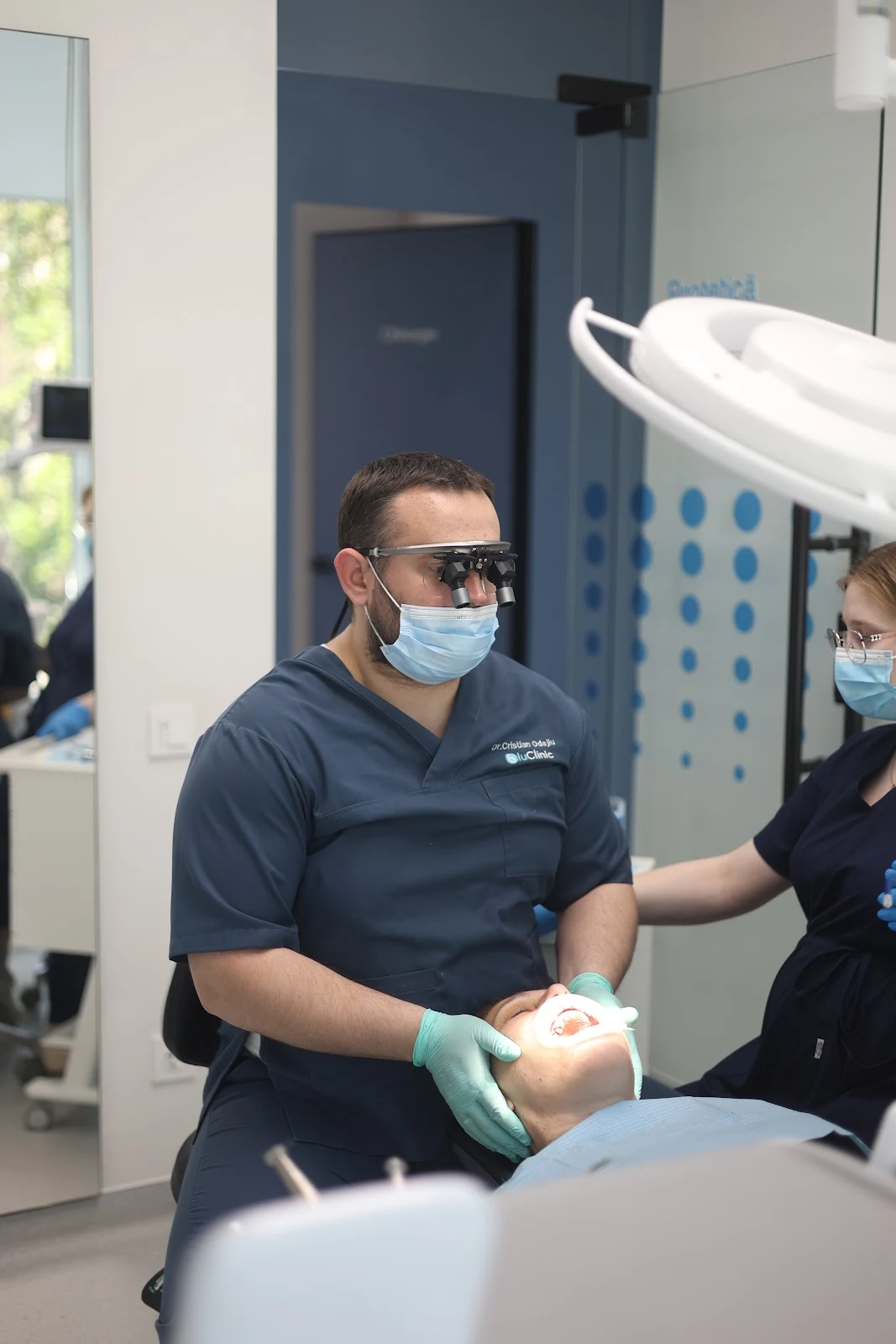
A click when you chew or yawn can be unsettling, but the sound alone does not tell you whether your jaw needs treatment. Painless clicking is common. What matters is whether you also have pain, restricted movement or episodes when the jaw gets stuck. Understanding that distinction helps you decide when to monitor a symptom and when to arrange an assessment.
In short
- A painless click does not automatically mean joint damage or a need for treatment.
- Persistent pain, locking or difficulty chewing deserves an assessment.
- Initial care is usually conservative, reversible and adapted to your symptoms.
- A jaw stuck open or closed requires urgent attention, especially after an injury.
What a jaw click can mean
The temporomandibular joints connect your lower jaw to your skull. Together with the chewing muscles, they allow you to speak, eat and open your mouth. Each joint contains a small disc that helps the surfaces move together. In some people, a change in how the disc moves produces a click. However, a sound cannot establish the disc's position or explain every symptom without an examination.
Clicking, popping and grating sensations are not interchangeable diagnoses. Their loudness does not reliably measure the seriousness of a problem. A painless click with comfortable, unrestricted movement may not need treatment. It does not, by itself, prove that the joint is progressively deteriorating or that your bite must be changed.
The aim is comfortable function, not necessarily a silent joint. Repeatedly opening wide to test or reproduce a click can irritate the area without providing useful information.
When to arrange an assessment
Book an assessment if pain persists or recurs, chewing becomes uncomfortable, or opening your mouth feels increasingly limited. Mention brief episodes of catching even if the jaw releases on its own. A change from your usual movement pattern matters more than comparing your opening with someone else's.
Details worth noting
- When symptoms began and whether they followed an injury or prolonged opening.
- Whether discomfort occurs at rest, during meals or on waking.
- Any clenching, gum chewing or other habits that seem to increase symptoms.
- Previous locking, treatments tried and medicines you take.
You do not need to provoke symptoms or measure your opening repeatedly before the appointment. A simple description of what interferes with eating, speaking or sleep is useful. Facial pain can also arise from teeth or other structures, so avoid assuming every ache near the ear comes from the jaw joint.
Seek urgent assessment if your jaw becomes locked, you cannot open or close your mouth, or symptoms follow a significant injury. Do not force it back into position. Marked swelling, fever or rapidly worsening pain also warrants prompt care. Difficulty breathing or swallowing requires emergency help.
What happens during the examination
The clinician asks about your symptoms, health history, recent injuries and daily habits. Examination may include observing jaw movement, checking tenderness in the joints and chewing muscles, and assessing your teeth and mouth. Describe pain in your own words rather than trying to identify a particular disorder yourself.
Are scans always needed?
No. Imaging is considered when the findings could clarify the diagnosis or change the treatment plan, not simply because a click is audible. Different tests answer different questions about bone or soft tissues. Ask what a proposed investigation is intended to show and how the result would affect your care. Symptoms and examination findings remain important when interpreting any scan.
Conservative care and decisions about treatment
For many temporomandibular disorders, care starts with explanation and reversible measures. During a painful flare, temporarily choose foods that need less chewing, avoid gum and very wide opening, and reduce habits that strain the jaw. Return gradually to your usual diet as comfort allows rather than maintaining unnecessary restrictions.
Exercises, medicines and appliances
Guided exercises or physiotherapy may be appropriate, but forceful stretching or exercises copied online can aggravate symptoms. Ask which movements suit your situation. Medicines require consideration of your health conditions, other treatments and contraindications; do not use someone else's prescription.
An oral appliance may be discussed in selected cases, with monitoring of comfort and any bite changes. It is not a universal cure and should not be presented as a guaranteed way to remove clicking. Review the plan if symptoms worsen or the appliance causes discomfort.
Irreversible bite changes are not routine first-line care for jaw clicking or pain. Grinding teeth, placing crowns or permanently altering the bite needs a separate, clear justification. Ask about evidence, alternatives and risks; a second opinion is reasonable before irreversible treatment. Follow-up should focus on pain, movement and daily activities, not sound alone.
Frequently asked questions
Does painless clicking always need treatment?
No. If movement is comfortable and unrestricted, treatment may not be necessary. Seek advice if pain, catching or limitations develop, or if you are uncertain about a new symptom.
Should I try to click my jaw back into place?
No. Repeated testing or forceful manipulation can worsen discomfort. If the jaw is stuck, seek urgent professional help rather than attempting to unlock it yourself.
Will a splint definitely stop the clicking?
No. An appliance may have a role in an individual treatment plan, but results vary. Discuss its purpose, review arrangements and what to do if discomfort or your bite changes.
Related service
Jaw clicking: when an assessment is needed
Medical sources
This information is educational and does not replace a consultation. Treatment is planned individually.
The information on this website is educational and does not replace a consultation with a dentist. A treatment plan can only be made after an individual clinical examination.
Visit bluClinic
Contact us by phone, WhatsApp or e-mail to arrange a consultation.
Related services
Recommended reading

Bad breath: common causes and what helps
Bad breath usually starts in the mouth. Learn what can cause it and which habits help.
bluClinic editorial team · Date: 25 November 2026 · 4 min read

Teeth grinding (bruxism): signs and what helps
Many people grind or clench their teeth without knowing it. Here are common signs, what may help and when an assessment is worthwhile.
bluClinic editorial team · Date: 21 November 2026 · 4 min read
Teeth sensitive to cold and sweet: causes and what helps
Tooth sensitivity has several possible causes. Learn what can trigger it, what to try at home and when a check-up is needed.
bluClinic editorial team · Date: 17 November 2026 · 4 min read