
Care & prevention
Why a dental check-up matters even without pain
New article for medical team review before publication.
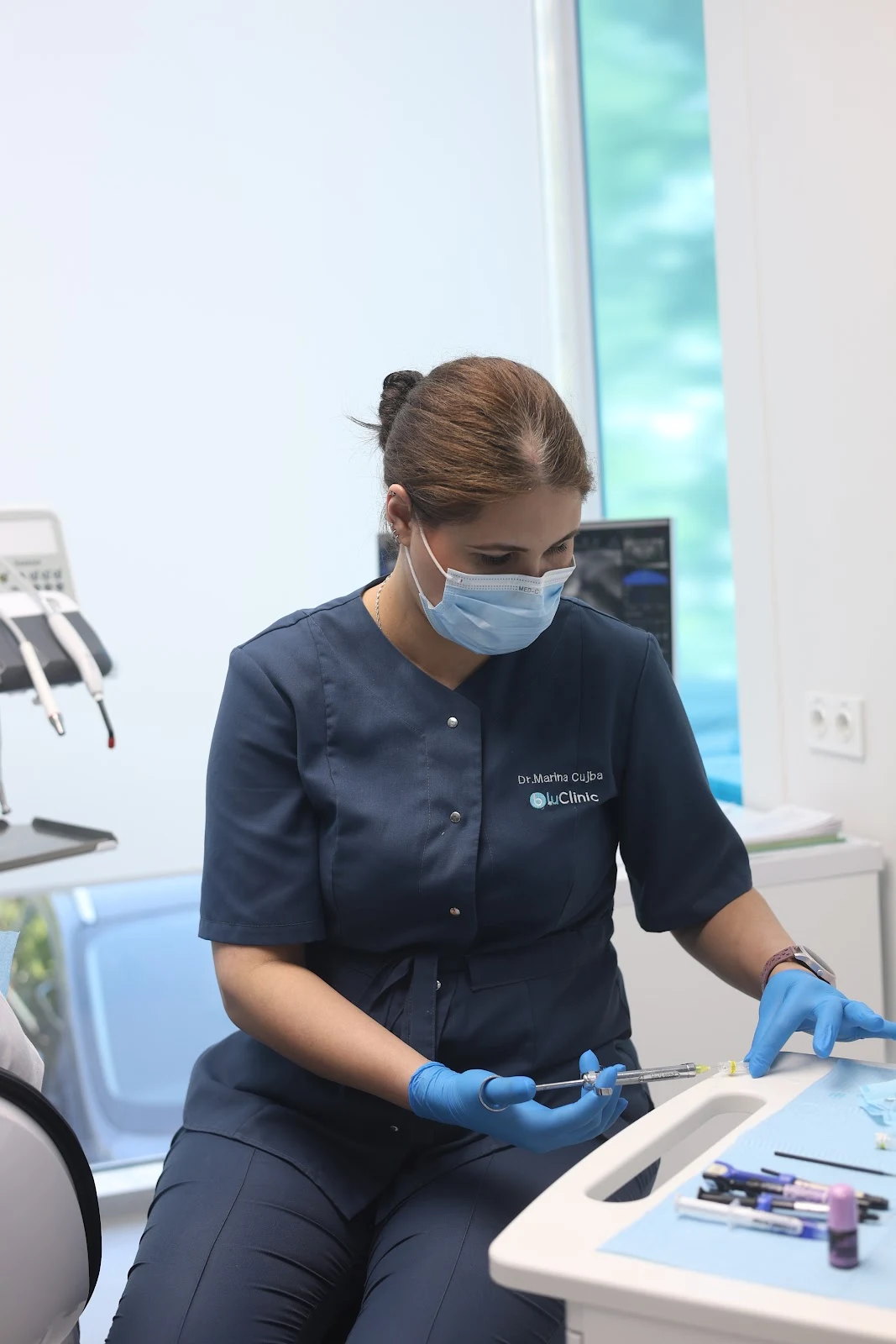
Problems can develop quietly
Tooth decay and gum disease can develop before they cause pain. Comfortable chewing and teeth that look healthy in a mirror do not tell you what is happening on every surface or beneath the gumline. A check-up helps assess areas you cannot inspect yourself and discuss your personal risks. Its purpose is to identify needs, not to make treatment automatic at every visit.
What the appointment may involve
Your dentist will ask about symptoms, general health, medicines and daily oral care, then examine your teeth, gums and other tissues inside your mouth. Questions about smoking, alcohol and diet can help guide advice. X-rays are not automatically needed at every check-up: their usefulness depends on your history, examination and disease risk. Ask what each proposed investigation could help clarify before agreeing.
Prepare useful information
Write down sensitivity, bleeding, unpleasant tastes or places where food gets trapped, even if these happen only occasionally. Bring an up-to-date medicine list and mention recent health changes. Tell the dental team if you feel anxious or have had difficult experiences. Ask which changes at home matter most for you; a short, practical plan is often easier to follow than several changes at once.
Plan follow-up without ignoring changes
The time between check-ups should reflect your oral health and likelihood of developing problems, rather than one fixed timetable for everyone. Confirm when to return and why that interval suits you. Do not wait for a routine appointment if you develop persistent pain, swelling, a broken tooth or a mouth lesion that is not healing. New changes are a reason to request an earlier assessment.
Related service
Why a dental check-up matters even without pain
Medical sources
This information is educational and does not replace a consultation. Treatment is planned individually.
The information on this website is educational and does not replace a consultation with a dentist. A treatment plan can only be made after an individual clinical examination.
Visit bluClinic
Contact us by phone, WhatsApp or e-mail to arrange a consultation.
Related services
Recommended reading

Bad breath: common causes and what helps
Bad breath usually starts in the mouth. Learn what can cause it and which habits help.
bluClinic editorial team · Date: 25 November 2026 · 4 min read

Teeth grinding (bruxism): signs and what helps
Many people grind or clench their teeth without knowing it. Here are common signs, what may help and when an assessment is worthwhile.
bluClinic editorial team · Date: 21 November 2026 · 4 min read
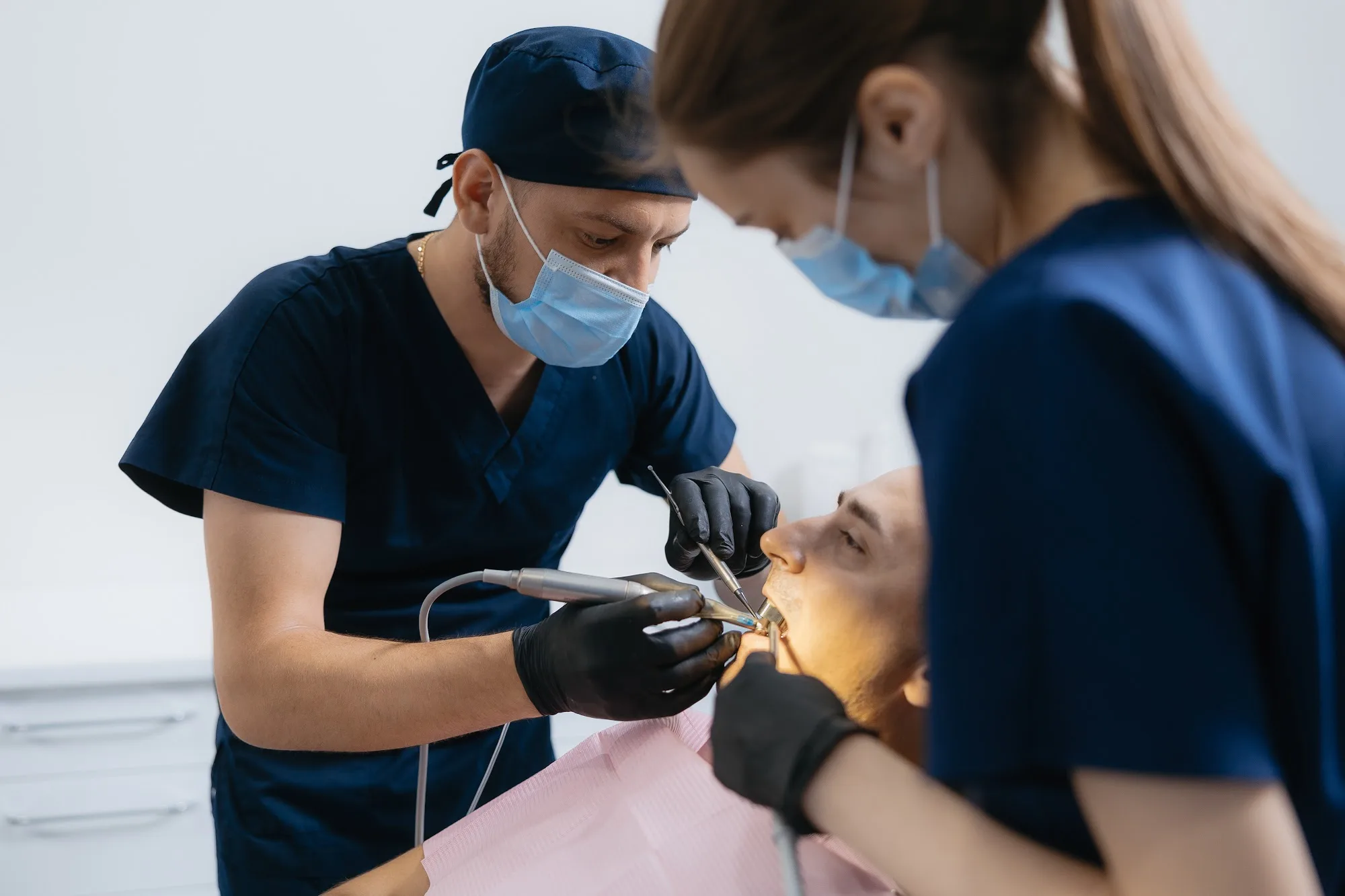
Teeth sensitive to cold and sweet: causes and what helps
Tooth sensitivity has several possible causes. Learn what can trigger it, what to try at home and when a check-up is needed.
bluClinic editorial team · Date: 17 November 2026 · 4 min read